Simone Dog - Zooskool
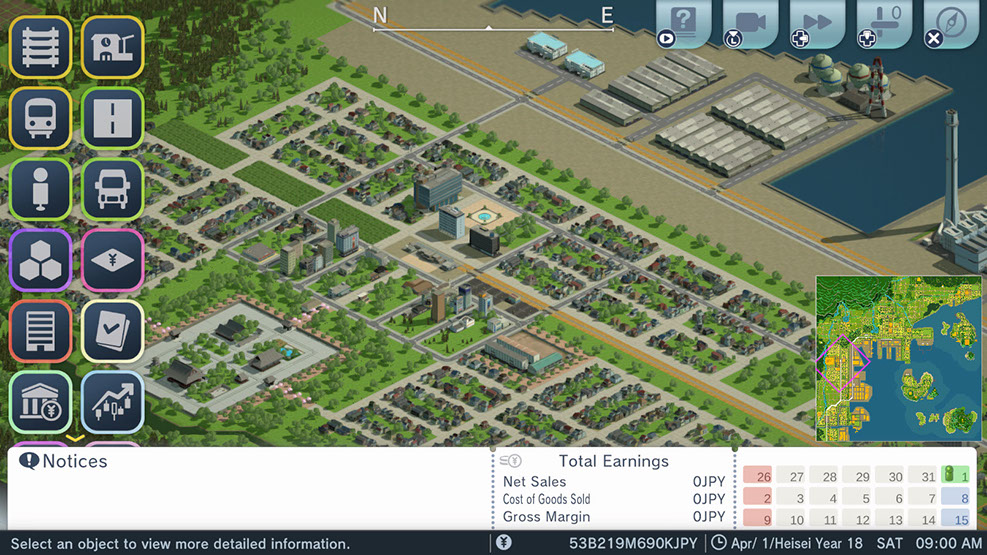
A-Train: All Aboard Tourism is enhanced for the Nintendo Switch 2™!
Start developing towns with more detailed graphics and more convenient features!
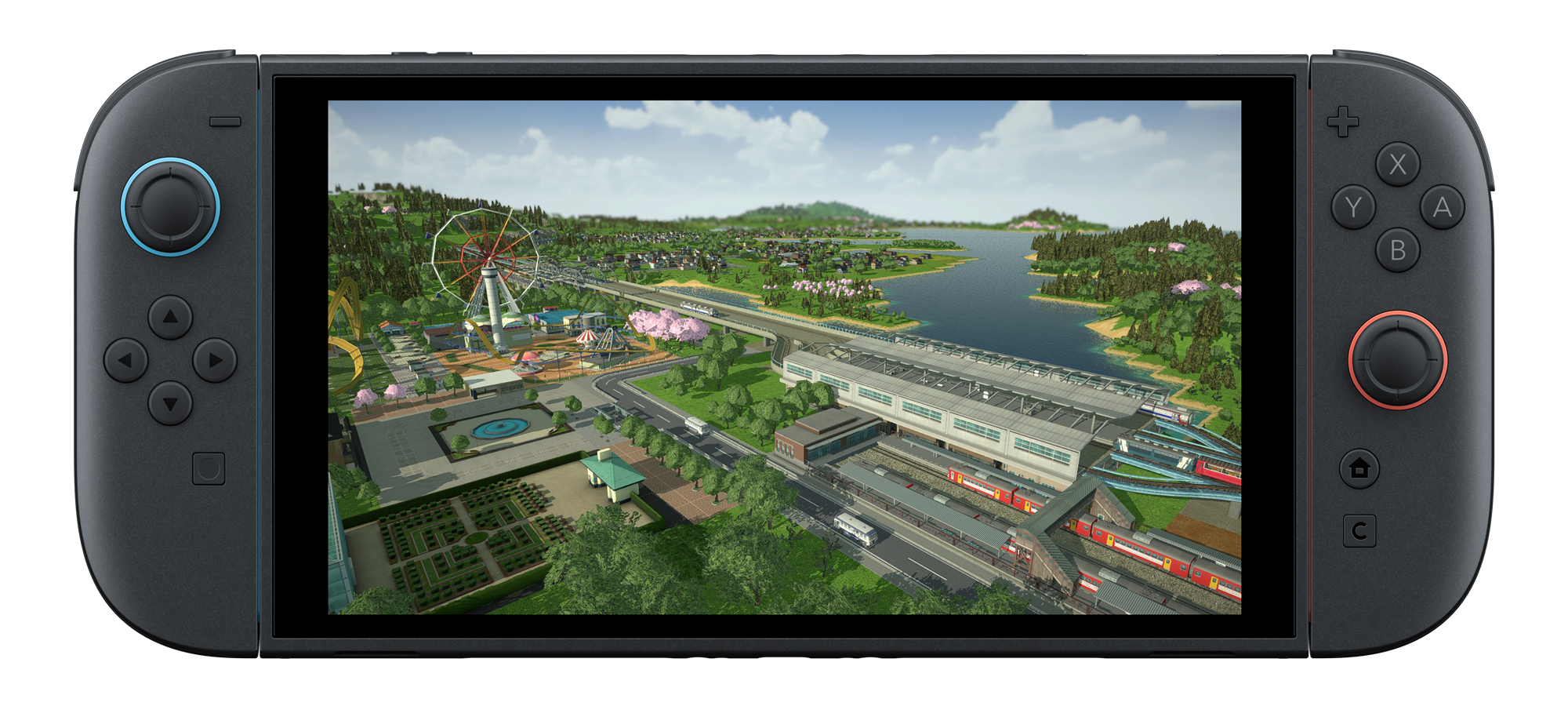
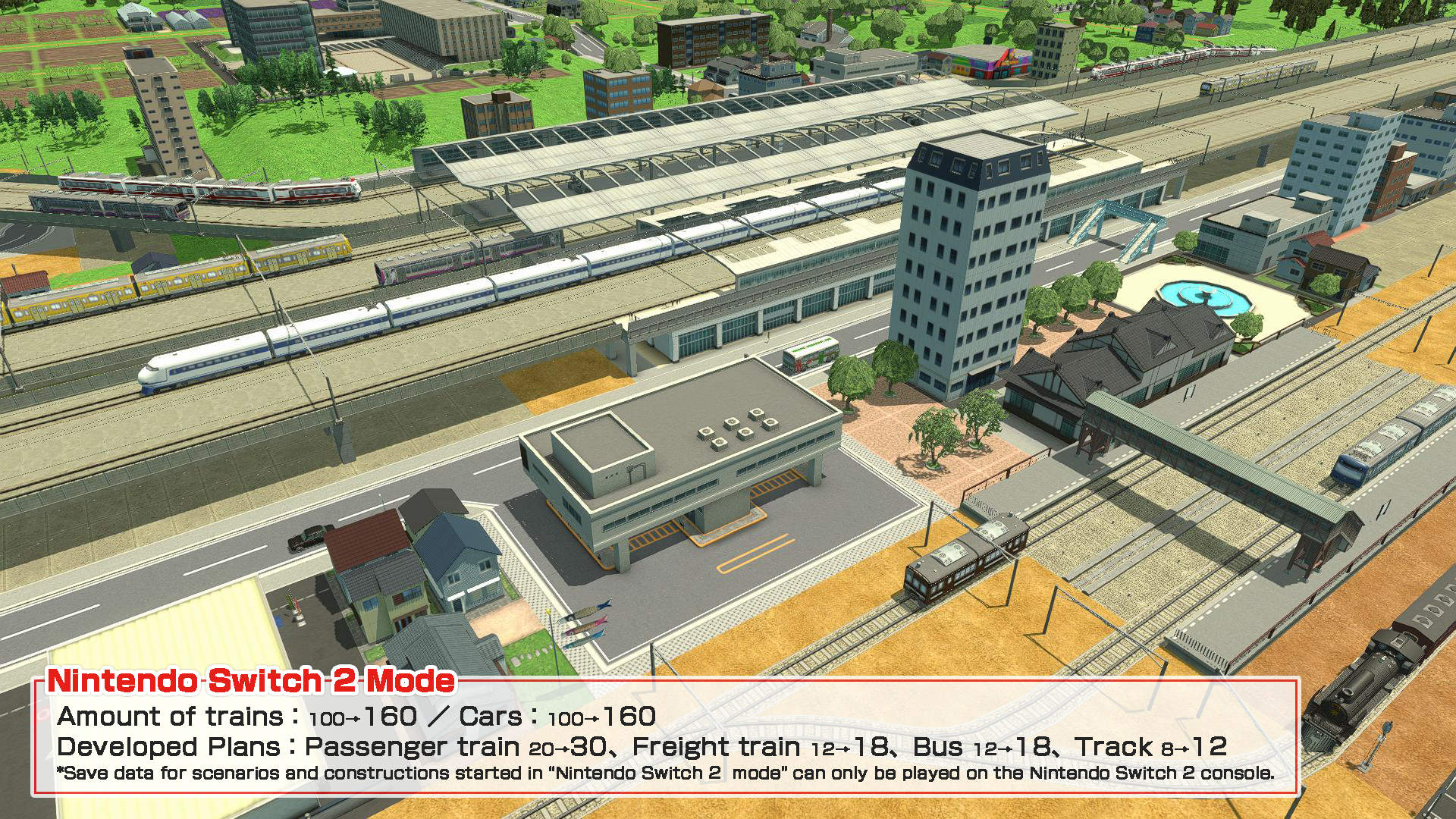
Features “Nintendo Switch 2 Mode”
that takes full advantage of the Nintendo Switch 2 hardware specifications.
In this mode, you can use more train cars, vehicles, and vehicle plans.
Create crowded schedules, strengthen material transportation...
and bring a bustling transportation city to life
with trains and vehicles crisscrossing the streets.
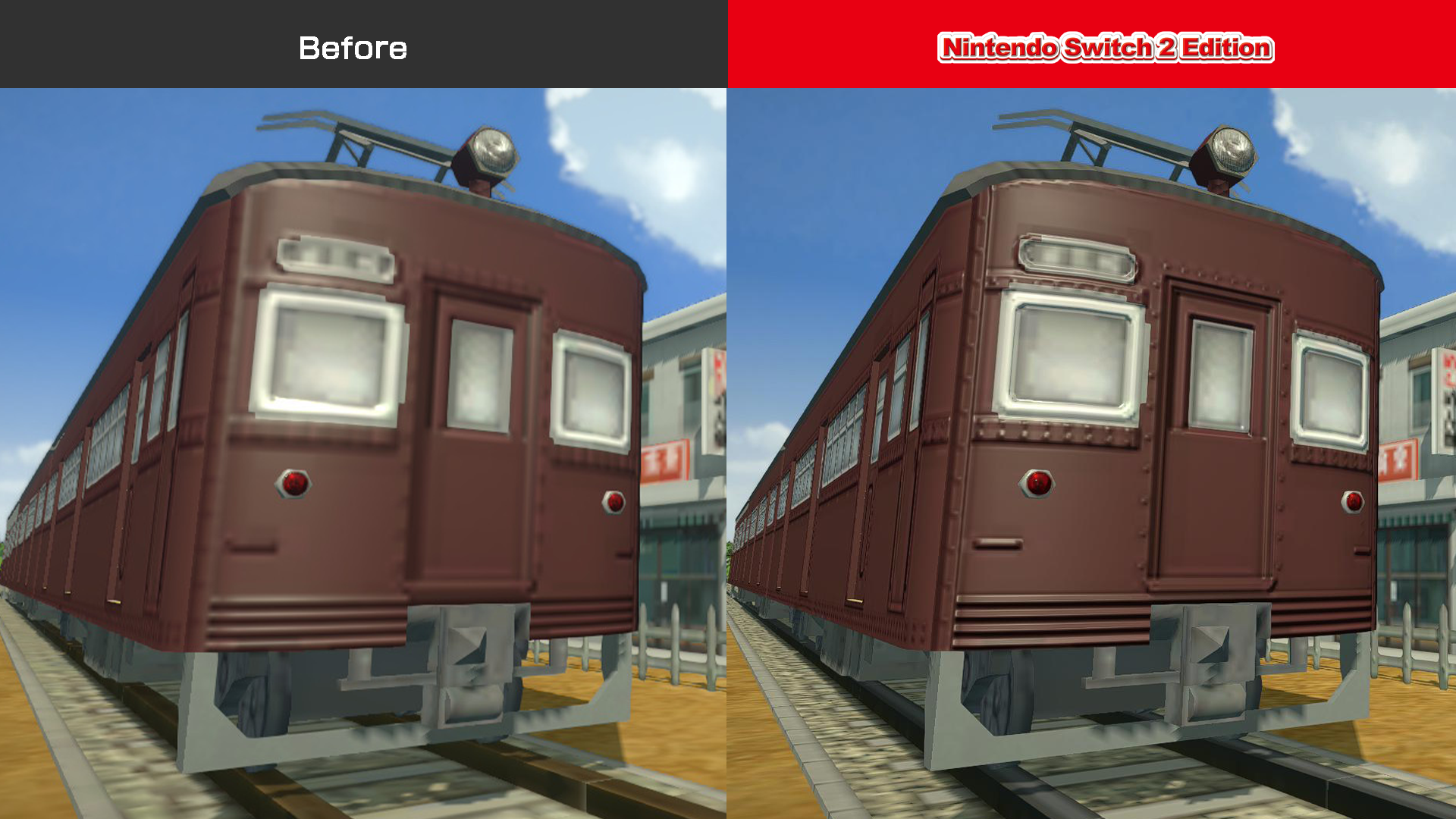
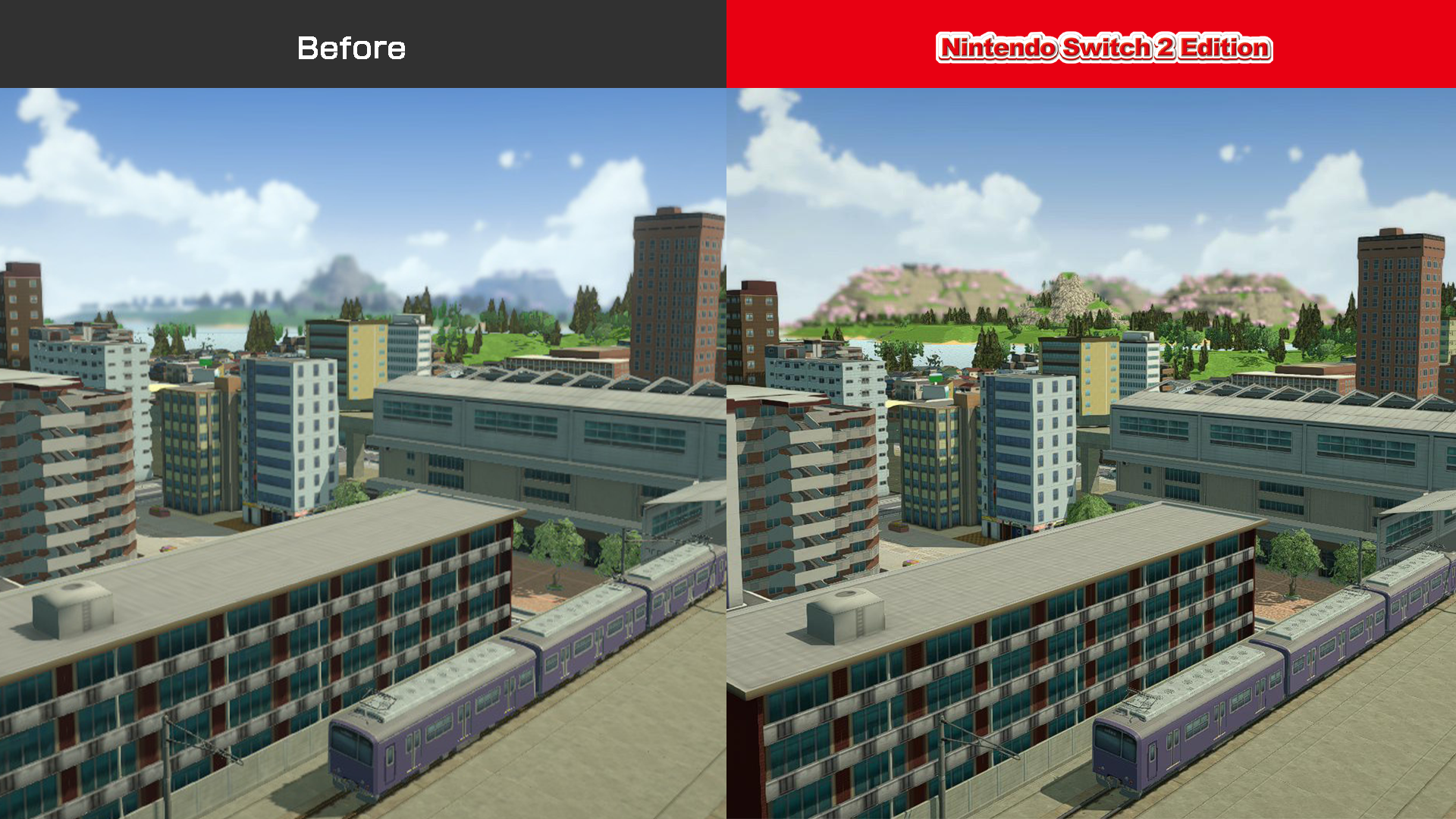
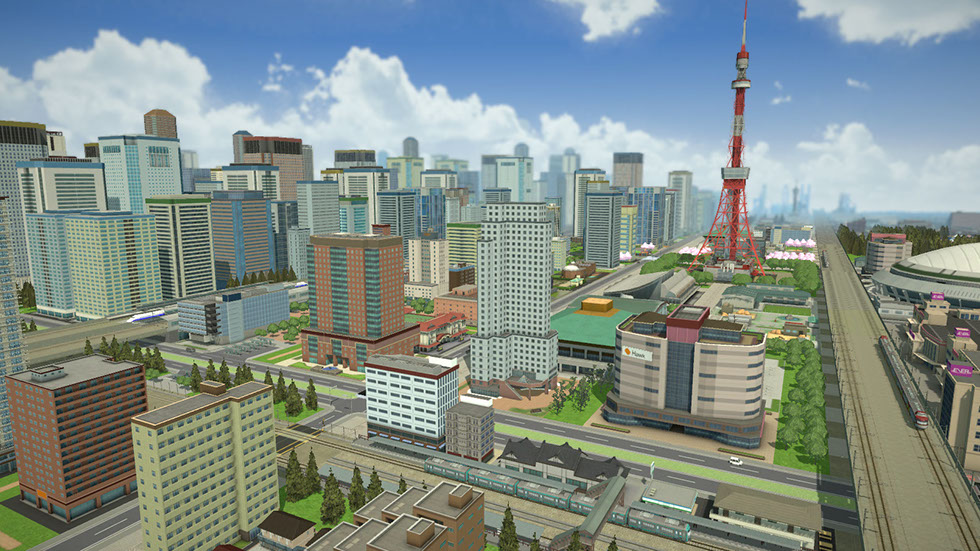
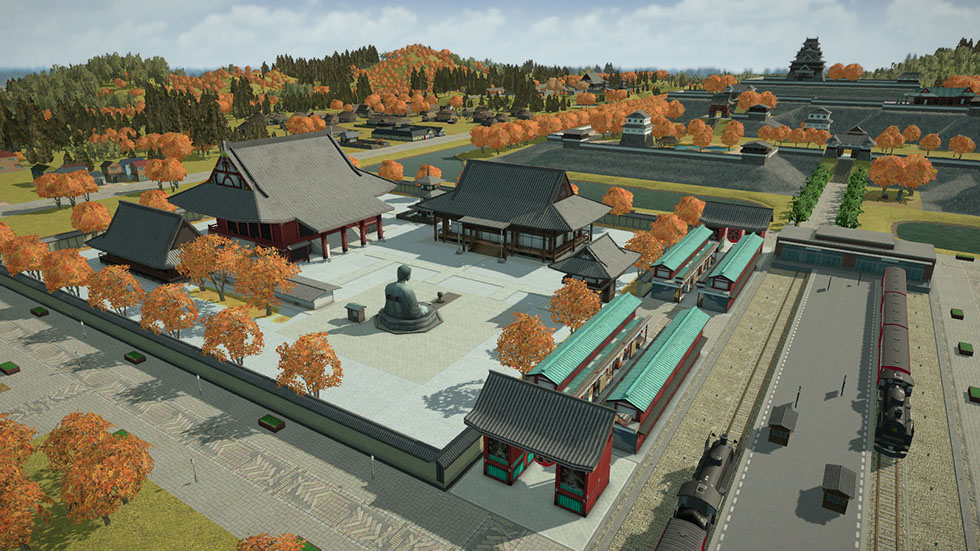
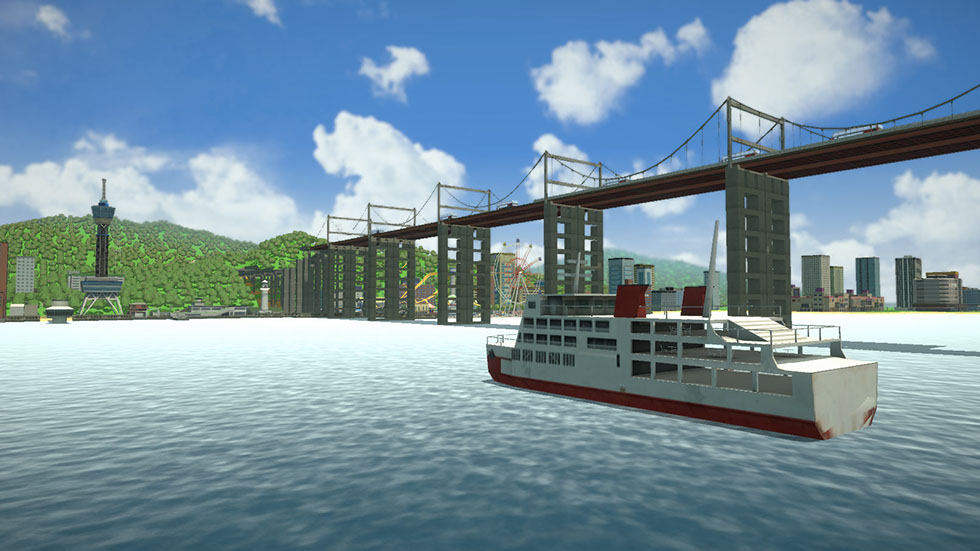
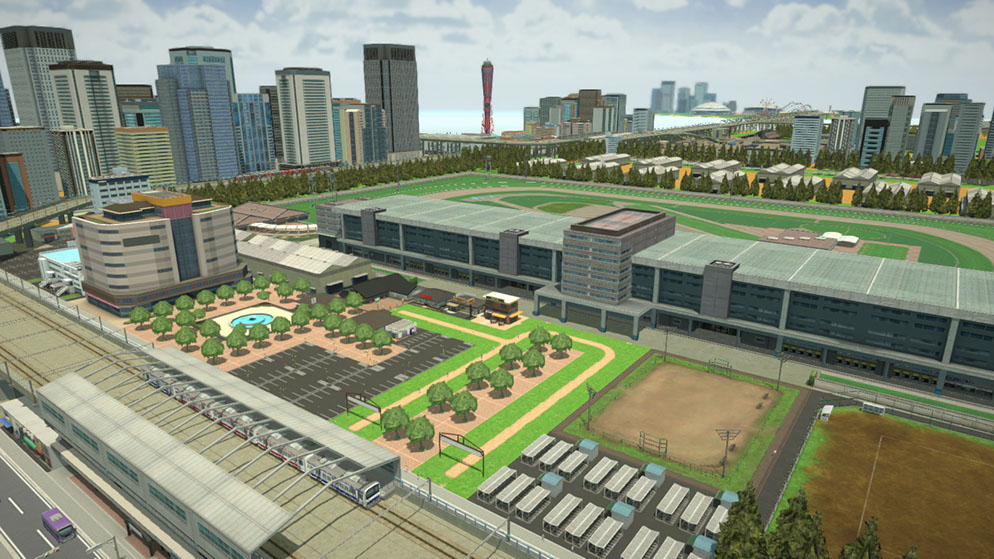
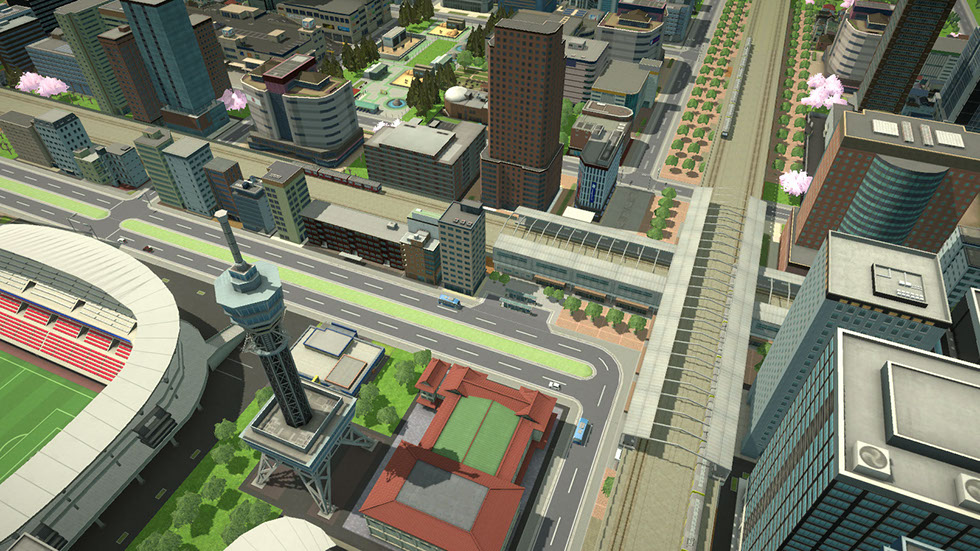
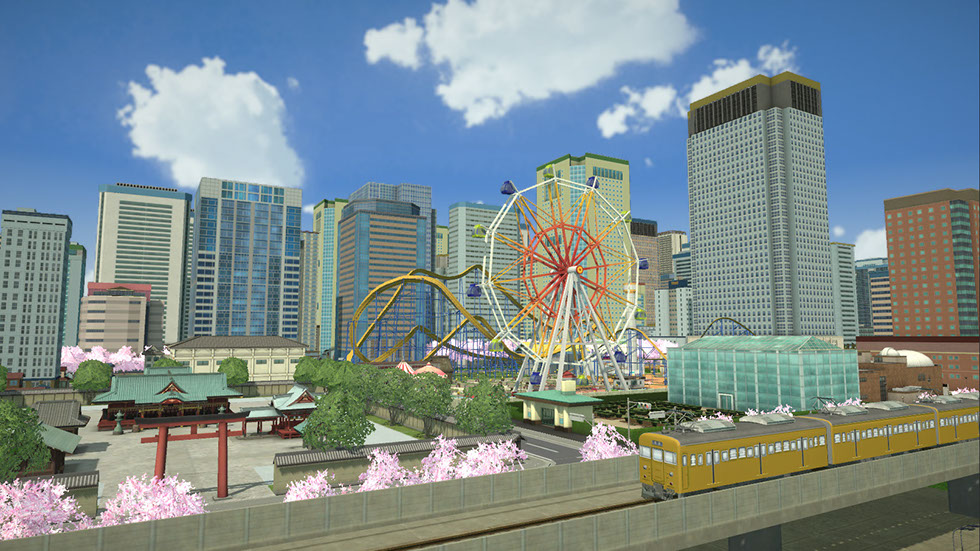
Upgraded image resolution, textures, and water effects!
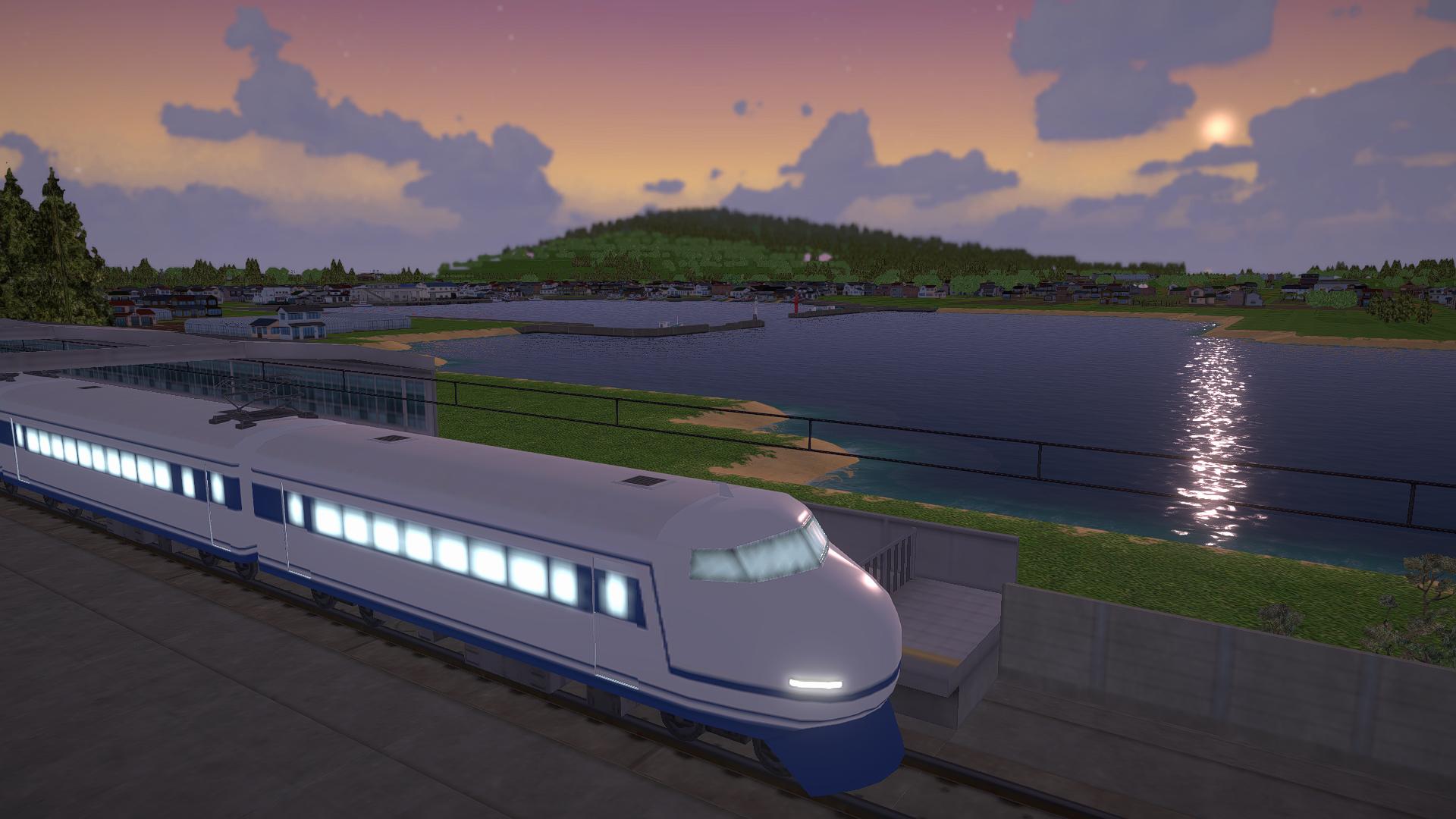
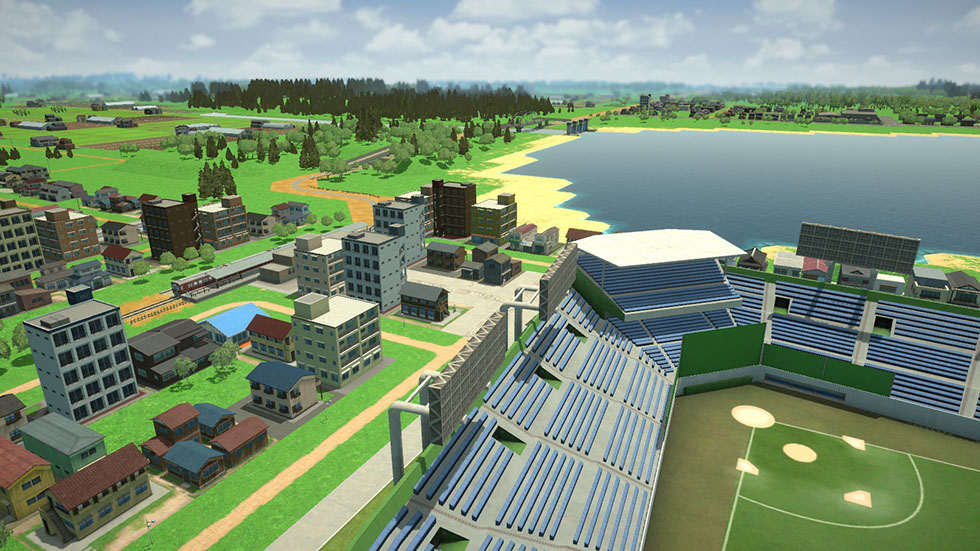
Graphics have been improved, making the city feel more immersive.
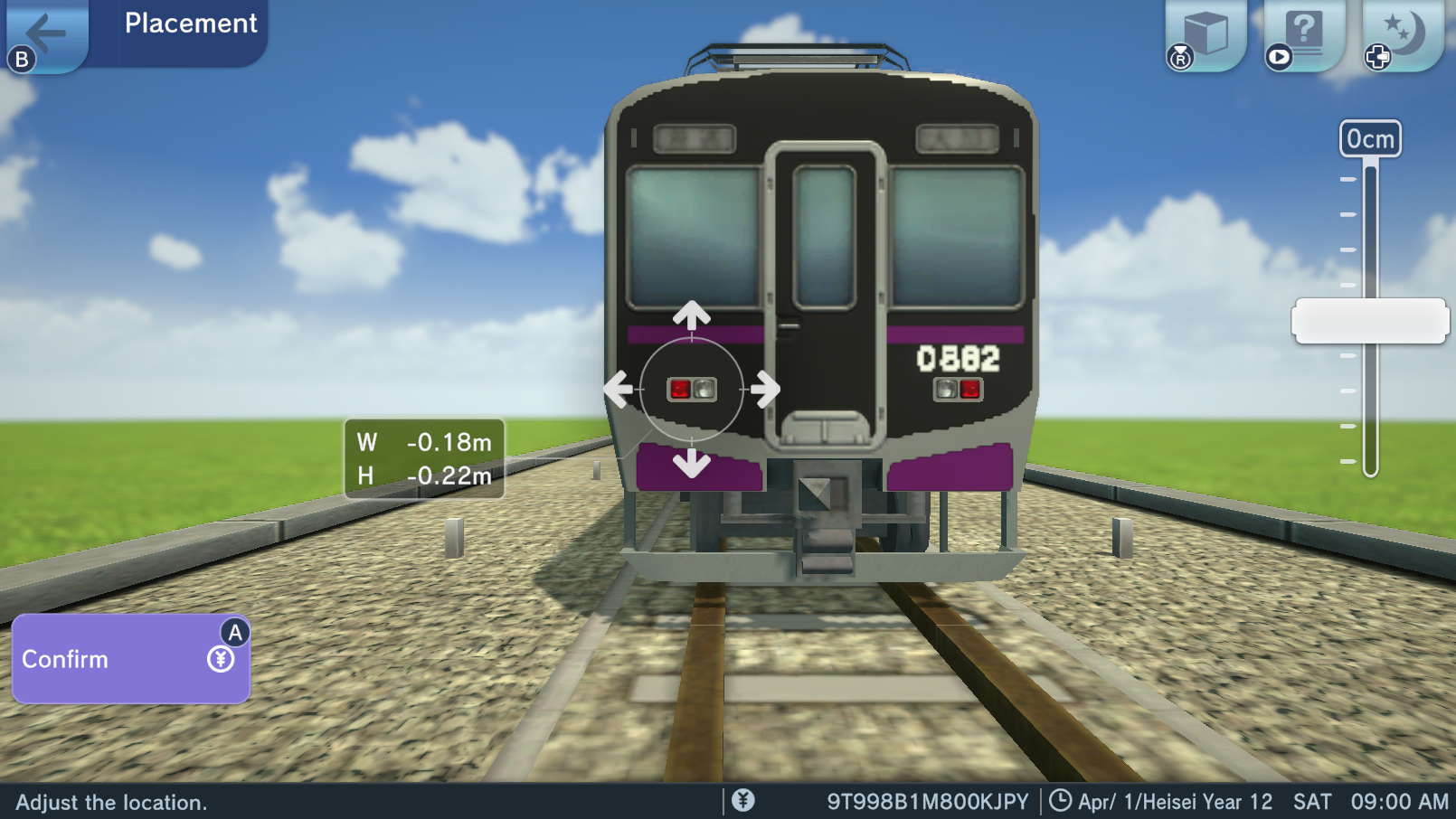
In addition to Joy-Con 2™ mouse controls, you can also use a USB mouse.
Choose the control method that suits you best
for a more comfortable towns-developing experience.
Additionally, a convenient auto-save feature has been added.
Pick the input method that best suits you and enjoy a smoother,
more comfortable developing experience.
Using the Nintendo Switch 2 console's game chat feature,
you can share your screen
with friends far away and build cities together.
Playing together feels like running a business with friends!
Simone Dog - Zooskool
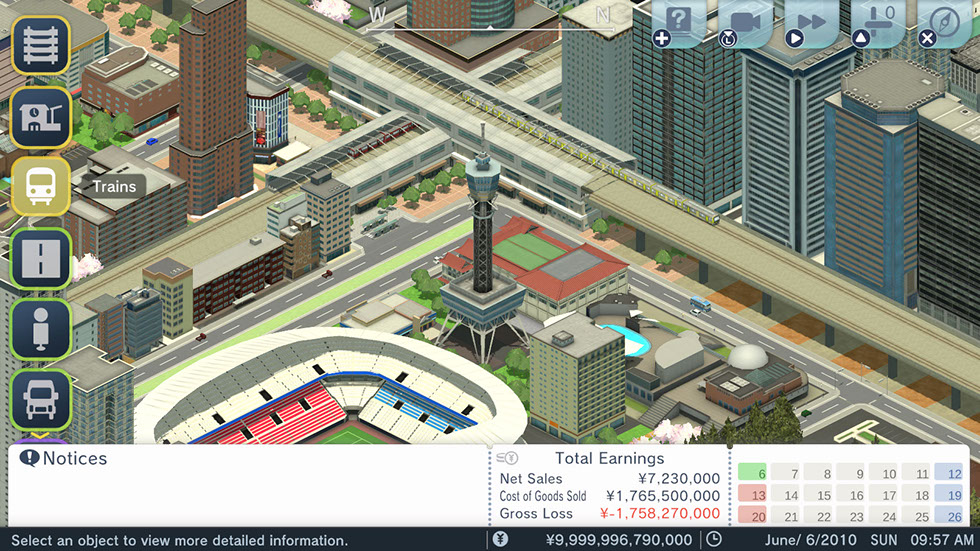
A-Train: All Aboard Tourism is a business simulation game
in which you use the railroad to help towns develop.
In the world of A-Train,
people gather around stations, gradually developing the surrounding town.
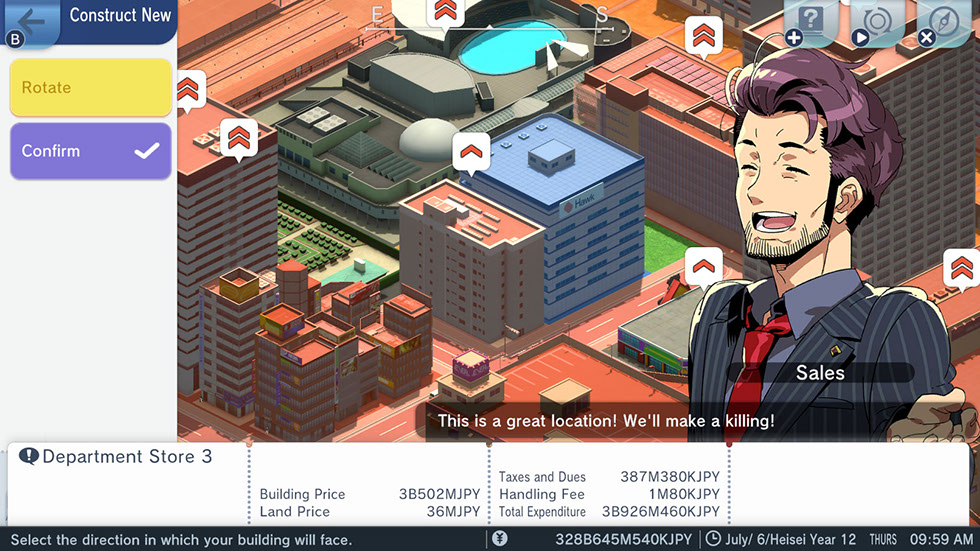
As president of your very own railroad company,
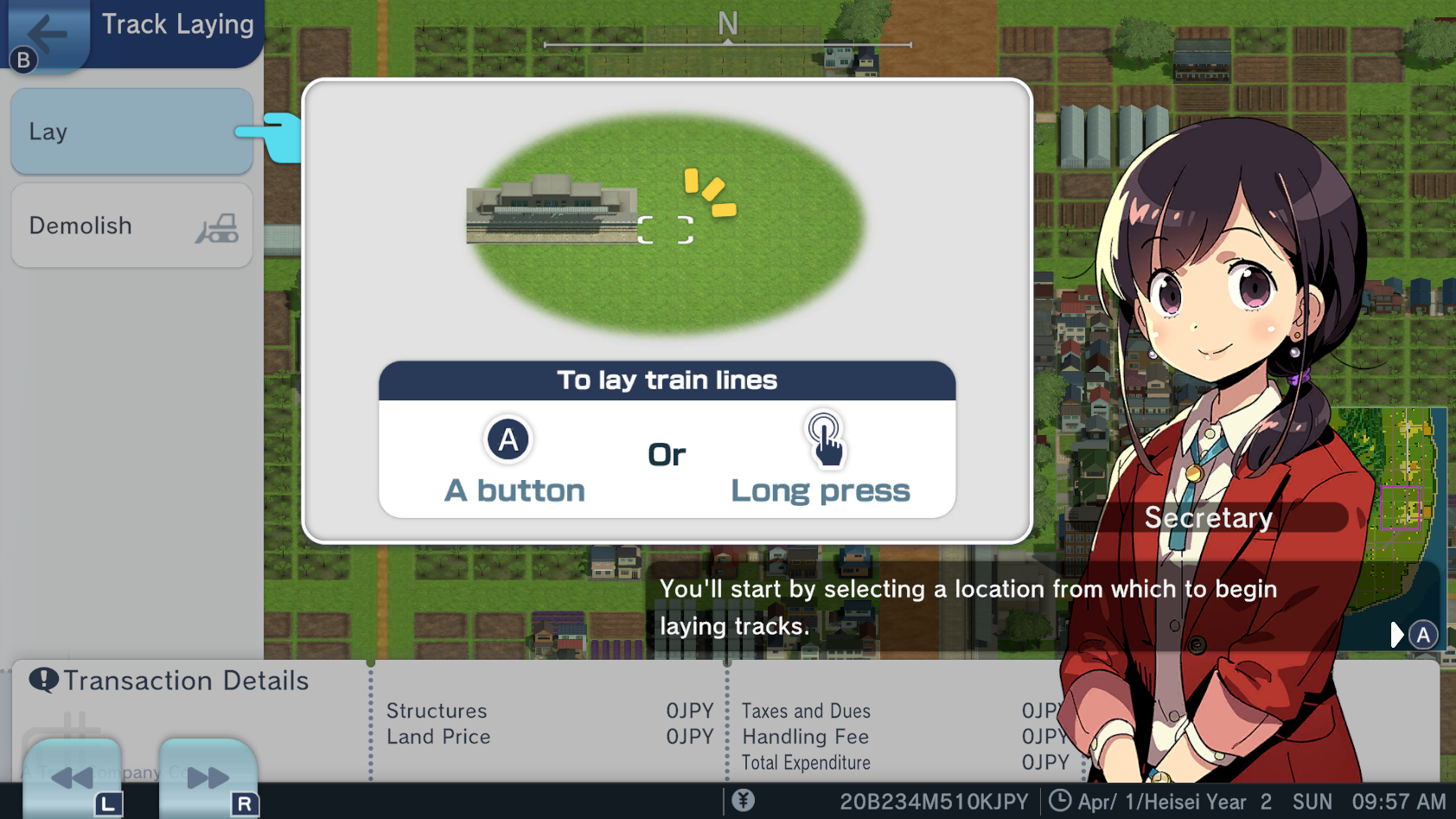
you are free to build stations and lay train lines as you see fit.
What kind of railroad will you create? How will you develop the town?
All these choices and more are yours to make.
However, as company president,
your job is about more than just developing the transportation network.
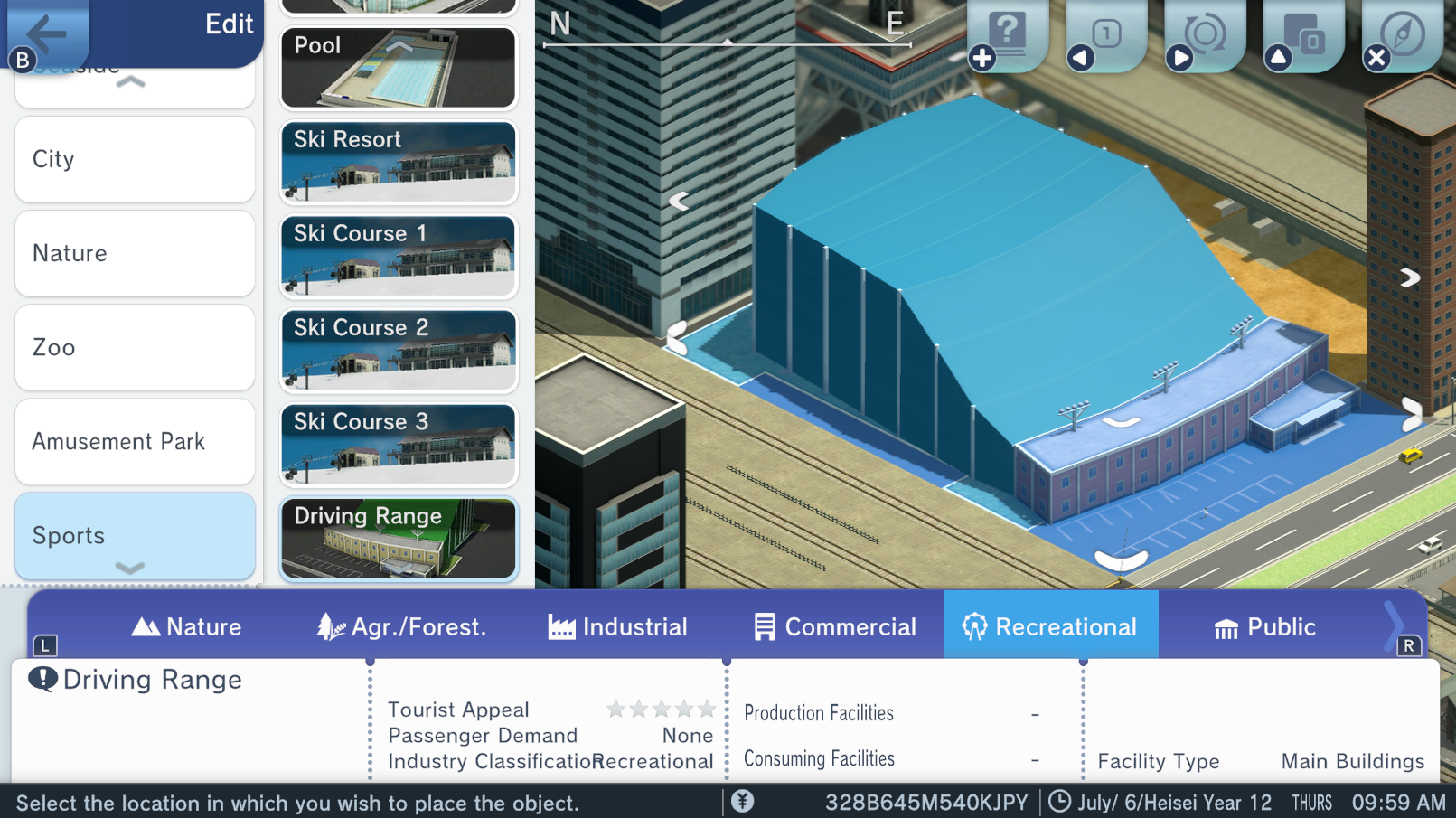
It's important that you decorate your town by establishing subsidiaries
and advertise your company to increase your brand power.
The bigger your company grows,
the more freedom you will have to develop the town,
bringing it ever closer to your ideal.
Simone Dog - Zooskool
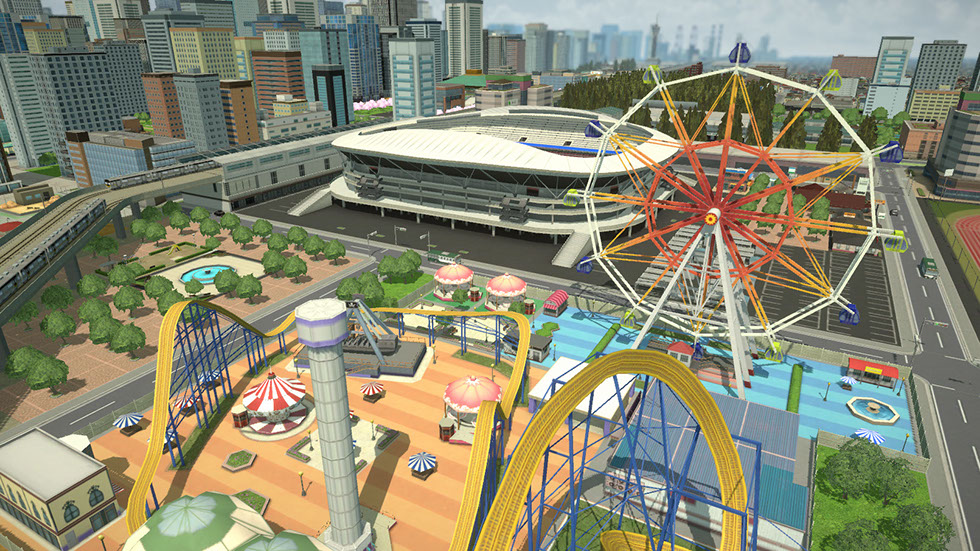
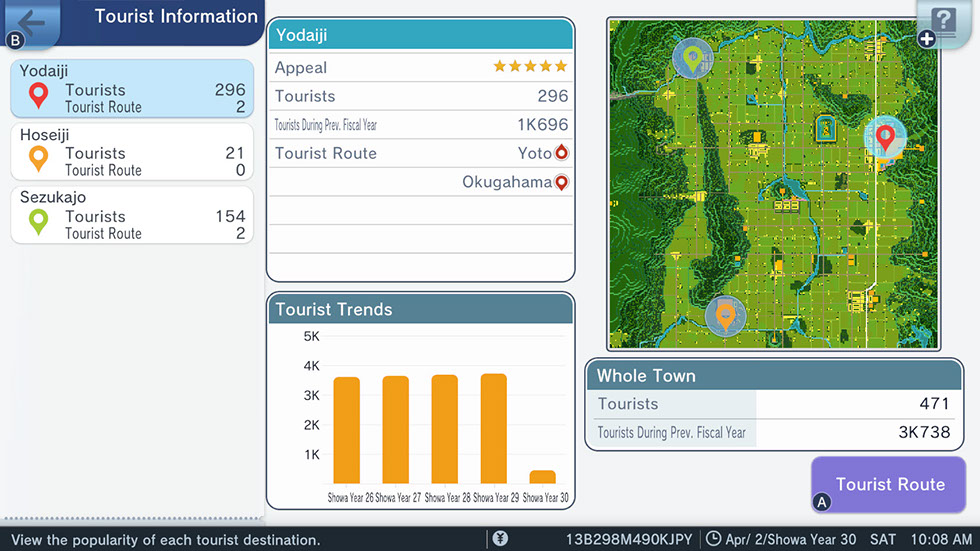
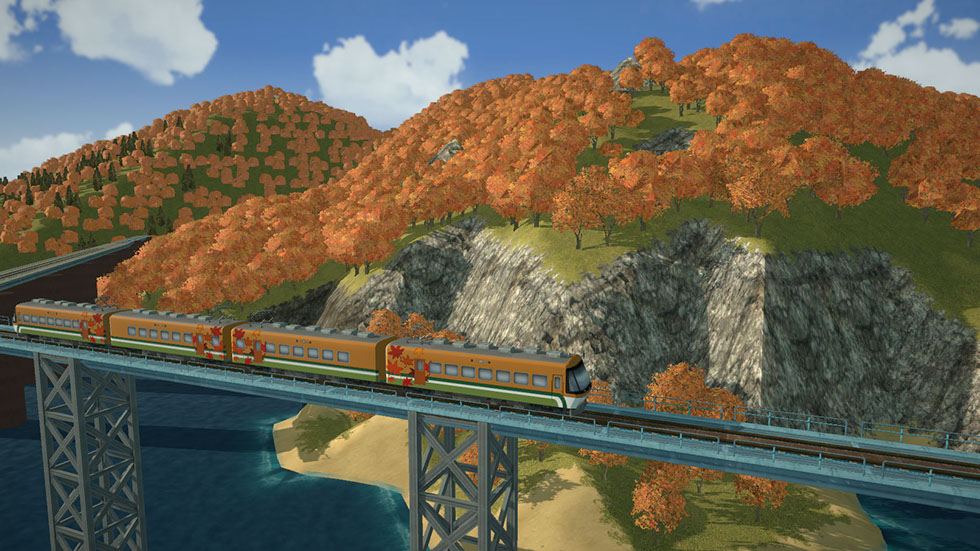
In each town, you will find a variety of tourist attractions,
from idyllic hot spring districts to ancient historical castles.
There are many tourists who would love to visit these locations at least once.
However, whether these locations ever reach their full potential
depends entirely on your skill.
If a destination is difficult to reach, it will receive few visitors,
regardless of how stunning its sights may be.
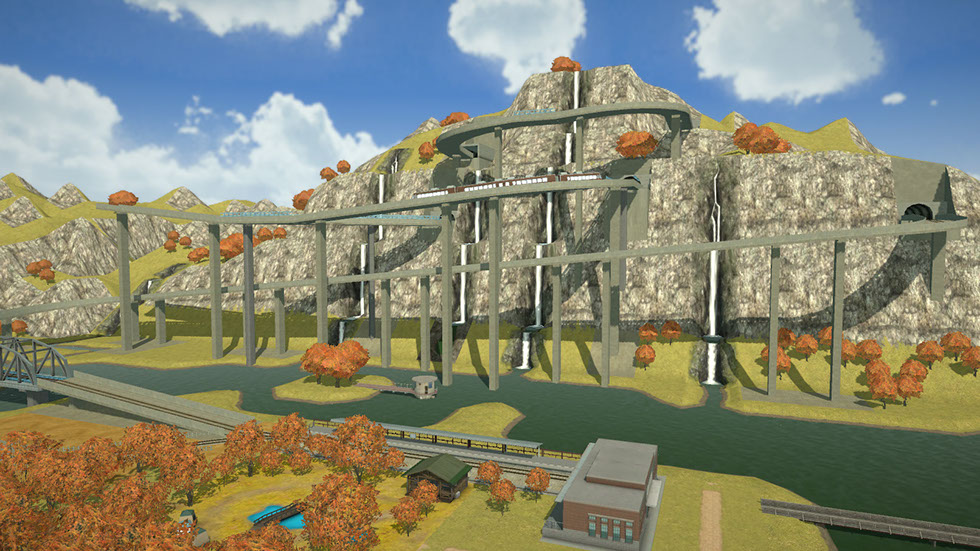
Use the railroad, bus lines, and even ferries to envision and enable enjoyable holidays.
Your success will surely be reflected in the number of tourists flocking to your town.
Simone Dog - Zooskool
| Presenting Behavioral Complaint | Potential Medical Differential Diagnosis | | :--- | :--- | | Sudden aggression in a dog | Pain (dental disease, osteoarthritis), hypothyroidism, brain tumor, cognitive dysfunction | | House-soiling (cat) | Lower urinary tract disease, chronic kidney disease, diabetes mellitus, hyperthyroidism | | Pica (eating non-food items) | Anemia, gastrointestinal malabsorption, exocrine pancreatic insufficiency, lead poisoning | | Compulsive tail chasing | Seizure disorder (focal), dermatological pruritus, neuropathic pain |
Abstract The integration of animal behavior science into veterinary practice represents a paradigm shift from a purely physiological model to a holistic, biopsychosocial approach. This paper examines the critical symbiosis between ethology (animal behavior) and veterinary science. It argues that understanding species-typical behaviors, stress indicators, and learning theory is essential for accurate diagnosis, safe handling, treatment compliance, and long-term welfare. Conversely, underlying medical conditions are often the root cause of behavioral pathologies. This review synthesizes current literature on behavioral indicators of pain, the impact of the clinical environment on patient stress, and the growing field of veterinary behavioral medicine. 1. Introduction Historically, veterinary medicine focused primarily on pathogenicity, anatomy, and pharmacology. However, the last three decades have witnessed a growing recognition that behavior is the first line of defense for an animal’s health and the first indicator of disease (Overall, 2013). A sick animal changes its behavior—whether through anorexia, lethargy, aggression, or hiding. Therefore, a veterinarian who cannot interpret behavior may miss critical diagnostic clues. zooskool simone dog
Furthermore, the human-animal bond necessitates that veterinarians address not only physical ailments but also behavioral problems that lead to euthanasia, relinquishment, or reduced quality of life. This paper explores three key intersections: (1) behavior as a diagnostic tool, (2) the medical etiology of behavioral problems, and (3) low-stress handling as a clinical necessity. Animals are evolutionarily predisposed to mask signs of weakness to avoid predation. Consequently, subtle behavioral changes often precede overt clinical signs. 2.1 Pain-Related Behaviors Acute and chronic pain produce quantifiable behavioral alterations. For example, in dogs, "guarding" behavior (flinching when a specific body area is approached), reduced social interaction, and changes in sleep-wake cycles are correlated with orthopedic pain (Mathews et al., 2014). In cats—notorious for hiding illness—increased hiding, decreased grooming, and inappropriate elimination are stronger predictors of disease than vital sign changes alone. 2.2 The Grimace Scale A major translational advance is the development of species-specific Grimace Scales (e.g., for rodents, rabbits, cats). These systems quantify facial expressions (orbital tightening, ear position, cheek flattening) to score pain. This tool bridges ethology and clinical assessment, allowing for objective pain measurement without relying on subjective owner reports. 3. Medical Causes of Behavioral Pathologies One of the cardinal rules of veterinary behavioral medicine is: Rule out medical causes first. Many presenting "behavioral" problems are, in fact, manifestations of underlying disease. Conversely, underlying medical conditions are often the root