In the sprawling digital ecosystem of typography, few search queries evoke as specific a blend of childhood nostalgia and graphic design curiosity as “Tonka font download.” At first glance, the request appears straightforward: a user seeks a digital typeface named “Tonka.” However, a deeper investigation reveals a fascinating intersection of corporate branding, toy history, fan-made creativity, and the often-murky waters of font licensing. This essay dissects what the “Tonka font” actually refers to, why people seek it, where one might (or might not) legitimately find it, and the broader lessons this quest teaches about digital design ethics. 1. The Myth of the Official Tonka Font The most critical distinction to make is that there is no single, commercially released, standalone font officially called “Tonka.” Unlike Helvetica or Times New Roman, “Tonka” is not a typeface designed by a foundry for general use. Instead, it is a brand identity —specifically, the logotype of Tonka, the legendary American toy company known for its sturdy metal trucks and construction vehicles.
In the sprawling digital ecosystem of typography, few search queries evoke as specific a blend of childhood nostalgia and graphic design curiosity as “Tonka font download.” At first glance, the request appears straightforward: a user seeks a digital typeface named “Tonka.” However, a deeper investigation reveals a fascinating intersection of corporate branding, toy history, fan-made creativity, and the often-murky waters of font licensing. This essay dissects what the “Tonka font” actually refers to, why people seek it, where one might (or might not) legitimately find it, and the broader lessons this quest teaches about digital design ethics. 1. The Myth of the Official Tonka Font The most critical distinction to make is that there is no single, commercially released, standalone font officially called “Tonka.” Unlike Helvetica or Times New Roman, “Tonka” is not a typeface designed by a foundry for general use. Instead, it is a brand identity —specifically, the logotype of Tonka, the legendary American toy company known for its sturdy metal trucks and construction vehicles.
Brings 50 years of industry experience, offering innovative and unique solutions like Kaledo Style for fashion illustration
Invests significantly in R&D, showcasing a strong commitment to continuous improvement and development
Provides a comprehensive range of equipment and digital management tools for the fashion industry
The breadth of Lectra's offerings may be overwhelming for small businesses or those seeking specific niche solutions
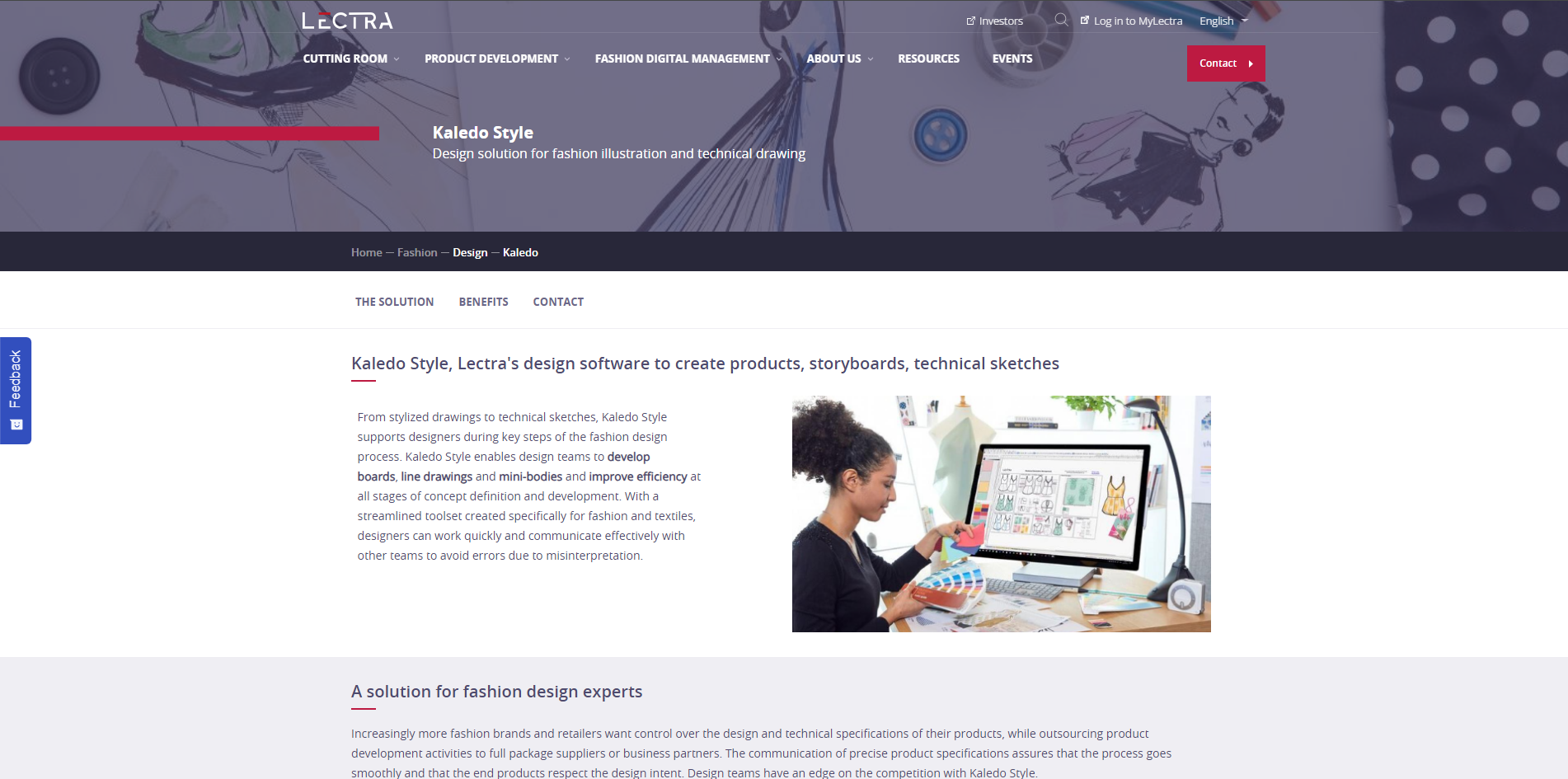
Upon signing up with Lectra, expect to be introduced to their range of design software solutions like Kaledo Style, specifically created for fashion illustration and technical drawing. Lectra's onboarding process will likely guide you through the efficient use of their design tools and offer support to ensure clarity in product specifications. To get started with Lectra, visit their website, explore the 'Fashion' section, and contact them to learn more about their solutions. If Lectra isn't the right choice, you can always check out the rest of our rankings.