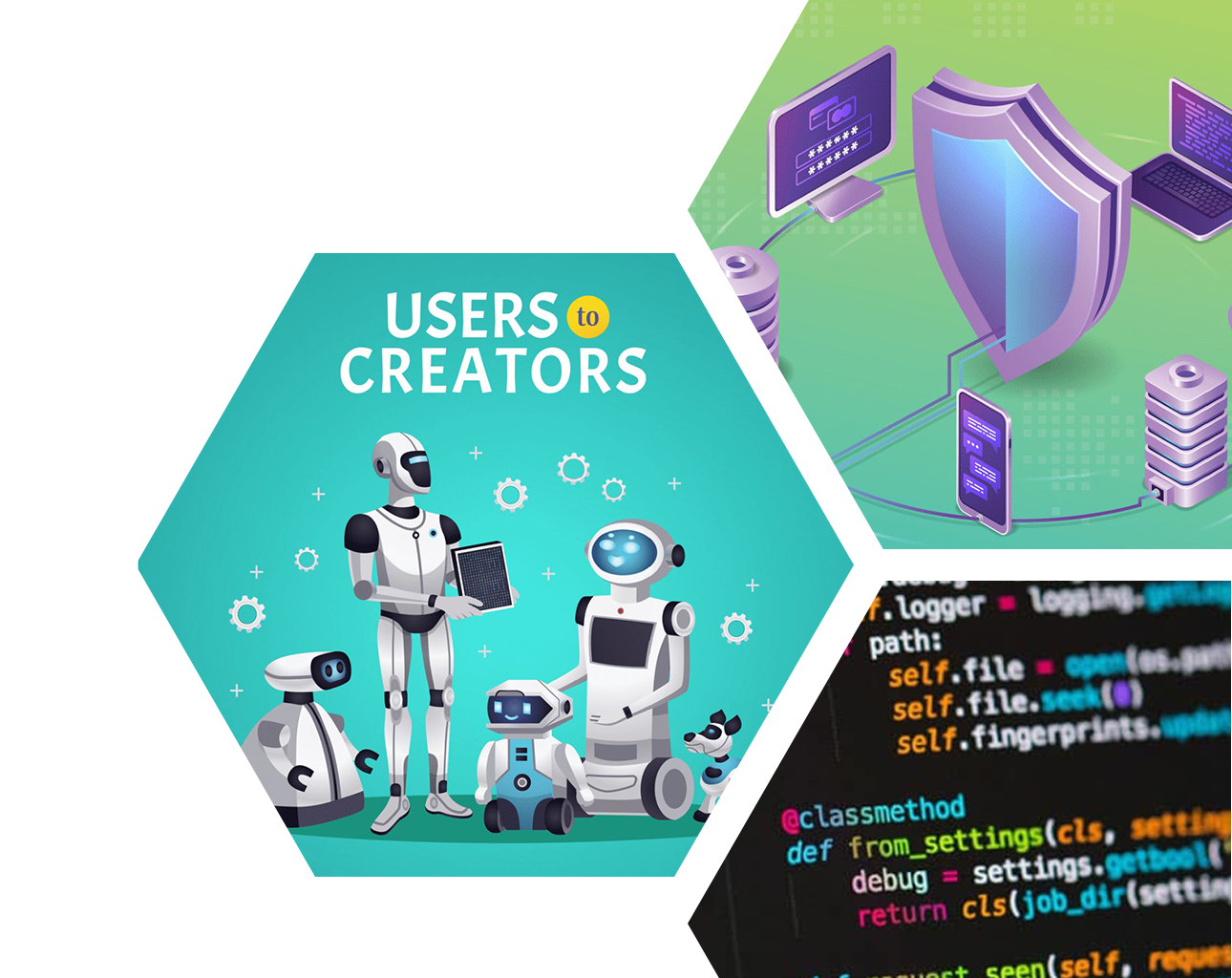
Cyber Square's computer science textbooks will help students' early skill development while also raising their standard of living. Students learn more about computers and programming by immersing themselves in cyber square computer textbooks, including robotics textbooks and AI text books. We include the most updated information in our textbooks since it is essential that kids grasp the most precise knowledge feasible given the quick expansion of the digital world.
If you're looking for the best computer science textbook to advance your students' technical expertise and are interested in learning about artificial intelligence and robotics, you've come to the right place. These books, including robotics textbooks and AI textbooks, were written by industry experts, which aid students in understanding the basics of ICT, coding and artificial intelligence in the British, CBSE, and ICSE curriculum for schools.
Cyber Square provides the most economical computer science textbooks and has 65+ happy customers in India, UAE, Bahrain and Saudi Arabia. Our goal is to build the most technically savvy generation of students, equipped with coding and artificial intelligence skills. We provide guidance to all aspiring engineers and scientists, as well as educational institutions, who want to adapt 21st century skills to be the best in their field, through our textbooks.
Cyber Square computer textbooks are the best source for children to advance their knowledge in computer programming, Artificial intelligence, Robotics, IoT, etc. Have a look at this website to find out more about how our textbooks are going to be a milestone for improving knowledge and development
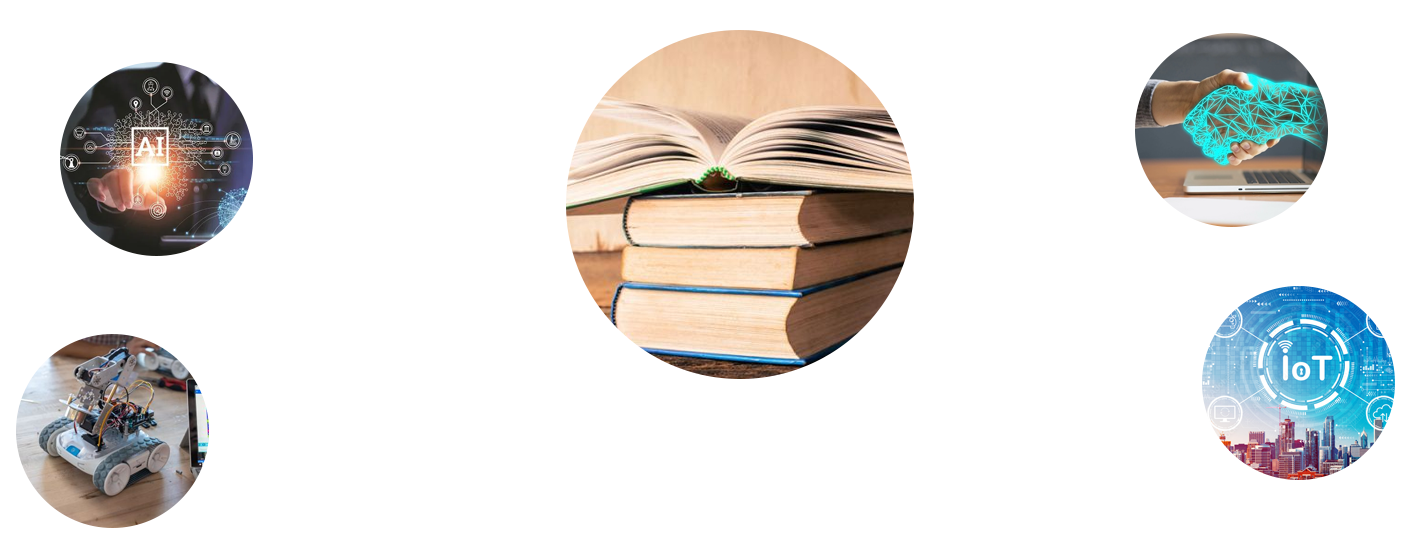
Students' interests in math and science will be stimulated by artificial intelligence, robotics, the internet of things, and other technologies. We know how schools and educators are curious when it comes to choosing a textbook that provides a high-quality education with the latest technology to their students. So we focus on the development of the children's specific skills and cognitive abilities, which are vital for their bright future with high-profile careers. Textbooks play an important role in encouraging students to innovate. The reason why we included coding and artificial intelligence is that we know how important it is to incorporate artificial intelligence into the curriculum and its significant impact on the educational system. We are sure that Cyber Square Computer Science Textbooks will mark a watershed moment in the educational system, encouraging students to explore their technological potential.

Computer Science Textbooks, including robotics textbooks, AI textbooks are the baseline on which children understand computer science and the functioning of technology in their earlier days of schooling and development, which is why we give the utmost emphasis to the details that we present through our textbooks. Having started coding for schools in 2014, with the experience that we have gained over the years, as well as with the help of experienced academicians and technology experts, our series of textbooks were published for children in schools.
You may have noticed that most of the classes you visit use a standard textbook series while touring. This is due to a number of factors, including curriculum design and emphasis, administrative demands, and the abilities of classroom teachers. Textbooks, including robotics textbooks, AI textbooks, and artificial intelligence books for class 9, are a godsend for new instructors. Before students enter the classroom, the content and structure of each lesson are clearly laid out.
Cyber Square is a cutting-edge educational platform that offers schools an Artificial Intelligence-aligned ENC curriculum. This curriculum was created by industry experts to educate students for the future using the most up-to-date technologies. Our curriculum is focused on a project-based approach, and it will be delivered to students from Nursery to Grade 9.
Our Cyber Square Cambridge textbooks are written with authors working on the latest research and technology advancements to enable our students to deliver interesting and updated information. Our textbooks provide such a unique platform for students and instructors to learn about the latest technologies like artificial intelligence, robotics, and IoT. The Cyber Square curriculum and coding platform will enable students to create their own projects using cutting-edge technology.
We are providing Cyber Square American Syllabus Coding and artificial intelligence aligned computer textbooks to students. We also provide eTextbooks to students' educators. Cyber Square textbooks are written by industry experts in the field. It was created with the goal of improving students' academic performance.