Mechanical vibration and noise engineering are crucial aspects of designing and developing machines and structures that are efficient, reliable, and safe. Excessive vibration and noise can lead to equipment failure, reduced performance, and even health hazards for humans. In this blog post, we will explore the fundamentals of mechanical vibration and noise engineering, and discuss the key concepts and techniques used to analyze and mitigate vibration and noise in various systems.
A.G. Ambekar is a renowned expert in mechanical vibration and noise engineering, with numerous publications and research papers on the subject. His work focuses on the development of advanced techniques for analyzing and mitigating vibration and noise in various systems, including machines, structures, and mechanisms. Ambekar's research has contributed significantly to our understanding of mechanical vibration and noise engineering, and his techniques are widely used in industry and academia.
Mechanical vibration and noise engineering are critical aspects of designing and developing efficient, reliable, and safe machines and structures. By understanding the fundamentals of vibration and noise, engineers can develop targeted solutions to mitigate their effects and improve overall system performance. A.G. Ambekar's work in this field has been instrumental in advancing our knowledge of mechanical vibration and noise engineering, and his techniques continue to be widely used today.
Understanding Mechanical Vibration and Noise Engineering: A Comprehensive Guide mechanical vibration and noise engineering by ag ambekar pdf

In order to be eligible to make a warranty claim, you must complete the registration for warranty here: www.deckwise.com/warranty/register.html
The method of 45 degree screws hold the decking tight to the joist, while allowing one side of the deck board to remain free to contract.

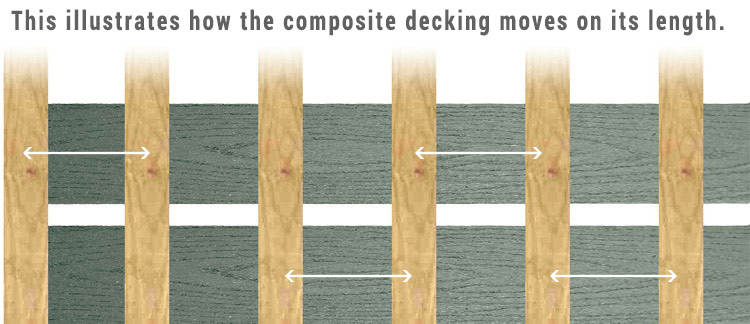
Running screws straight down with composite/PVC decking allows these materials to naturally move on their length. mechanical vibration and noise engineering by ag ambekar pdf
| Board Thickness | Board Width |
|---|---|
| A* = Measurement Of Your Decking | B** = Measurement Of Your Decking |
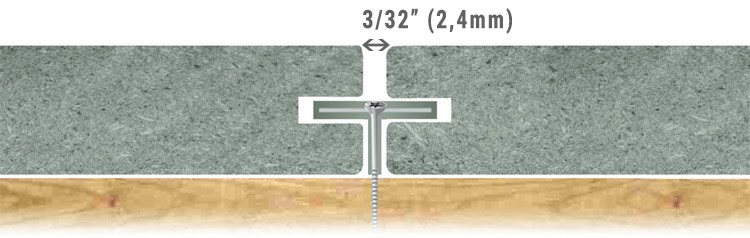
| Thickness of Cut | Cutting Height | Cutting Depth |
|---|---|---|
| C = 5/32" (4mm) | D*** = (A-5/32")/2 | E = 1/2" (13mm) |
| During Installation |
|---|
| F**** = 3/32" (2,4mm) |
* If using 1-1/2" (38,1mm) or thicker material, you may need to upgrade to a longer screw option than what is typically packaged with the fastening kit.
** For decking 8" (20,32cm) or wider, the (A) dimension should be at least 1-1/2" (38,1mm). Using a wide plank such as this for surface decking will most likely cause cupping issues regardless of how the material is fastened if thicker material is not used.
*** This formula will create a symmetrical profile that allows you to flip and/or rotate the decking to be able to put the best side up. mechanical vibration and noise engineering by ag ambekar pdf
**** Fastener automatically achieves correct gap spacing when boards are pushed tight during installation.
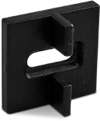
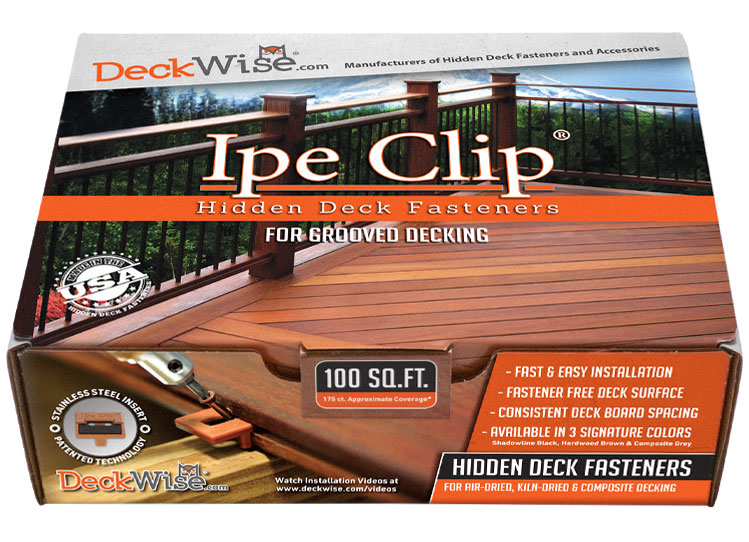
Deck Fastener Ipe Clip® Kits may be ordered in differences of 100 count (50 sq. ft.) components and 175 Complete Kit sizes (100 sq. ft.). All deck building screws may also be special ordered with diverse screw lengths, color and style.
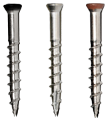
Kits come with 25 wood plugs, and 25 stainless steel #8x2" deck screws.
Sold Seperately

EXTREME® Ipe Clip® Series - U.S. Patent Numbers 8,464,488 and 8,806,829.
Original, “round”, STANDARD Ipe Clip® - U.S. Patent No. D470,039.
EXTREMEKD® and EXTREME4® Licensed under U.S. Patent Nos. 7,874,113 and 8,161,702 Patent.