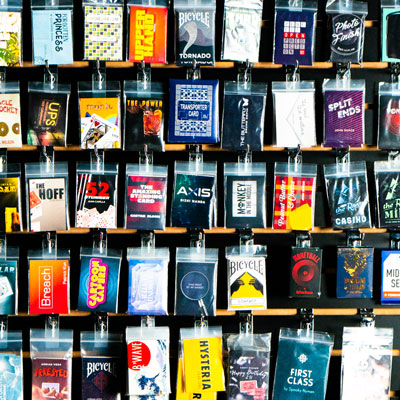
Shop
Columbus’s premier source for the latest and greatest magic tricks.
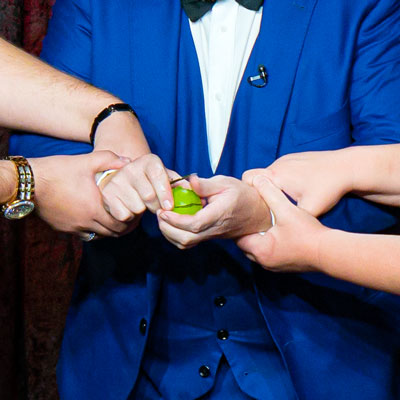
Theater
Featuring magicians from around the world in our state-of-the-art theater.
Studio
The production arm of Penguin Magic, the world’s largest magic retailer.
While most cleanroom professionals know Part 1 (airborne particles), Part 9 focuses on – specifically classifying surface cleanliness by particle concentration (non-viable & viable).
This standard defines classification systems for surface contamination by solid particles – both non-viable (dust, fibers) and viable (microbes). Use it to set limits for product-contact surfaces, walls, floors, or equipment in cleanrooms.
Here’s a social media post tailored for LinkedIn, a cleanroom industry forum, or a technical blog. I’ve included (professional short & detailed technical) plus a caption for a PDF download/resource page . Option 1: LinkedIn / Professional Short Post Headline: Demystifying ISO 14644-9: Cleanrooms for Viable & Non-Viable Particulate Contamination Iso 14644-9 Pdf
Looking to classify surface contamination by chemical or molecular layers? That’s where ISO 14644-9 comes in.
| System | Contaminant | Typical Units | Common Method | |--------|-------------|---------------|----------------| | System A | Non-viable particles (≥0.05 µm) | Particles/m² | Surface particle counter, microscopic | | System B | Viable particles (CFU) | CFU/m² or CFU/contact plate | Contact plate, swab, air sampler (surface mode) | While most cleanroom professionals know Part 1 (airborne
Since ISO 14644-9 is often overlooked, here’s a breakdown for those looking for the PDF or key info:
Have you implemented surface classification per Part 9? Let’s discuss below. 👇 Title: ISO 14644-9 PDF – Quick Guide to Surface Cleanliness Classification Here’s a social media post tailored for LinkedIn,
📄 The official ISO 14644-9 PDF is available from ISO.org or your national standards body (ANSI, BSI, DIN, etc.).
Columbus’s premier source for the latest and greatest magic tricks.
Featuring magicians from around the world in our state-of-the-art theater.
The production arm of Penguin Magic, the world’s largest magic retailer.