Both games allow extreme violence, but the subject of that violence differs critically.
Released within a year of each other (2002 and 2003), Grand Theft Auto: Vice City (Rockstar North) and Aliens vs. Predator 2 (Monolith Productions) represent two diametrically opposed yet contemporaneous visions of interactive digital violence. While Vice City deploys a postmodern, cinematic sandbox to explore 1980s hyper-capitalism and criminal agency, AvP2 offers a tightly scripted, faction-based survival horror experience rooted in licensed science fiction. This paper argues that despite their surface differences—open world vs. linear FPS, satire vs. terror—both games function as radical expressions of early 2000s player freedom, differing primarily in their spatial logic (liberating vs. claustrophobic) and ethical frameworks (amoral indulgence vs. species-based survival).
Vice City vs. The Hunting Ground: A Comparative Analysis of Postmodern Violence and Sci-Fi Horror in Grand Theft Auto: Vice City and Aliens vs. Predator 2
[Your Name/Academic Affiliation] Course: Game Studies & Digital Culture Date: April 18, 2026
The years 2002–2003 marked a turning point in mainstream gaming. Grand Theft Auto: Vice City (hereafter Vice City ) shattered sales records by immersing players in a neon-drenched, lawless Miami parody. Simultaneously, Aliens vs. Predator 2 (hereafter AvP2 ), a less commercially dominant but critically acclaimed first-person shooter, offered a grim, asymmetrical multiplayer and single-player experience within the Alien and Predator universes. This paper compares these two titles not as direct competitors but as symptomatic texts of their moment, exploring how each constructs player agency, environmental storytelling, and the representation of “the monster” – whether human or extraterrestrial.
In Vice City , the player becomes monstrous by choice – a deliberate rejection of social norms. In AvP2 , the player is always already monstrous (as Alien or Predator) or victim (as Marine). The Marine campaign, in particular, inverts Vice City ’s power fantasy: the player is weak, outnumbered, and terrified.
Conversely, AvP2 is direct licensed adaptation, drawing from Aliens (1986) and Predator (1987). It takes its source material seriously, crafting a coherent timeline between films. There is no parody; the fear is genuine. This contrast highlights a bifurcation in early 2000s game design: the ironic, cinematic sandbox vs. the reverent, immersive simulation.
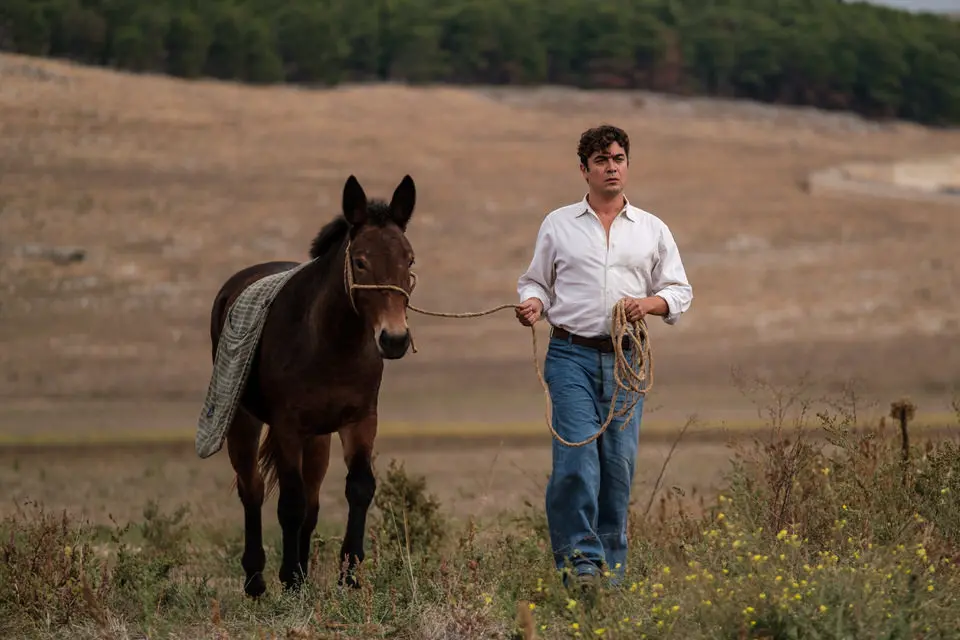
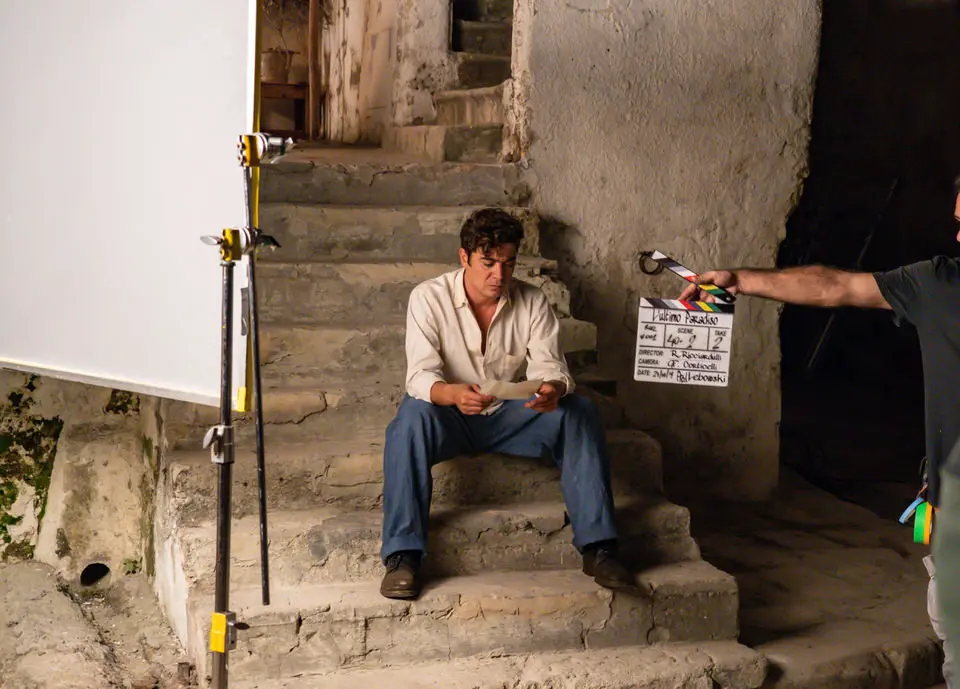
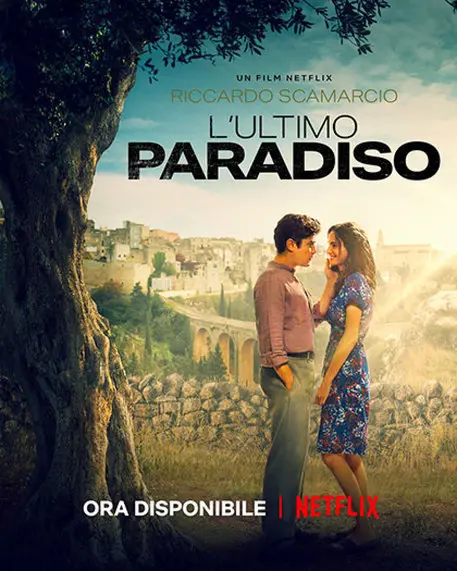
The director Rocco Ricciardulli, from Bernalda, shot his second film, L’ultimo Paradiso between October and December 2019, several dozen kilometres from his childhood home in the Murgia countryside on the border of the Apulia and Basilicata regions. The beautiful, albeit dry and arid landscape frames a story inspired by real-life events relating to the gangmaster scourge of Italy’s martyred lands. It is set in the late 1950’s, an era when certain ancestral practices of aristocratic landowners, archaic professions and a rigid division of work, owners and farmhands, oppressors and oppressed still exist and the economic boom is still far away, in time and space.
The borgo of Gravina in Puglia, where time seems to stand still, is perched at a height of 400m on a limestone deposit part of the fossa bradanica in the heart of the Parco nazionale dell’Alta Murgia. The film immortalizes the town’s alleyways, ancient residences and evocative aqueduct bridging the Gravina river. The surrounding wild nature, including olive trees, Mediterranean maquis and hectares of farm land, provides the typical colours and light of these latitudes. Just outside the residential centre, on the slopes of the Botromagno hill, which gives its name to the largest archaeological area in Apulia, is the Parco naturalistico di Capotenda, whose nature is so pristine and untouched that it provided a perfect natural backdrop for a late 1950s setting.
The alternative to oppression is departure: a choice made by Antonio whom we first meet in Trieste at the foot of the fountain of the Four Continents whose Baroque appearance decorates the majestic piazza Unità d’Italia.
The director Rocco Ricciardulli, from Bernalda, shot his second film, L’ultimo Paradiso between October and December 2019, several dozen kilometres from his childhood home in the Murgia countryside on the border of the Apulia and Basilicata regions. The beautiful, albeit dry and arid landscape frames a story inspired by real-life events relating to the gangmaster scourge of Italy’s martyred lands. It is set in the late 1950’s, an era when certain ancestral practices of aristocratic landowners, archaic professions and a rigid division of work, owners and farmhands, oppressors and oppressed still exist and the economic boom is still far away, in time and space.
The borgo of Gravina in Puglia, where time seems to stand still, is perched at a height of 400m on a limestone deposit part of the fossa bradanica in the heart of the Parco nazionale dell’Alta Murgia. The film immortalizes the town’s alleyways, ancient residences and evocative aqueduct bridging the Gravina river. The surrounding wild nature, including olive trees, Mediterranean maquis and hectares of farm land, provides the typical colours and light of these latitudes. Just outside the residential centre, on the slopes of the Botromagno hill, which gives its name to the largest archaeological area in Apulia, is the Parco naturalistico di Capotenda, whose nature is so pristine and untouched that it provided a perfect natural backdrop for a late 1950s setting.
The alternative to oppression is departure: a choice made by Antonio whom we first meet in Trieste at the foot of the fountain of the Four Continents whose Baroque appearance decorates the majestic piazza Unità d’Italia.
Lebowski, Silver Productions
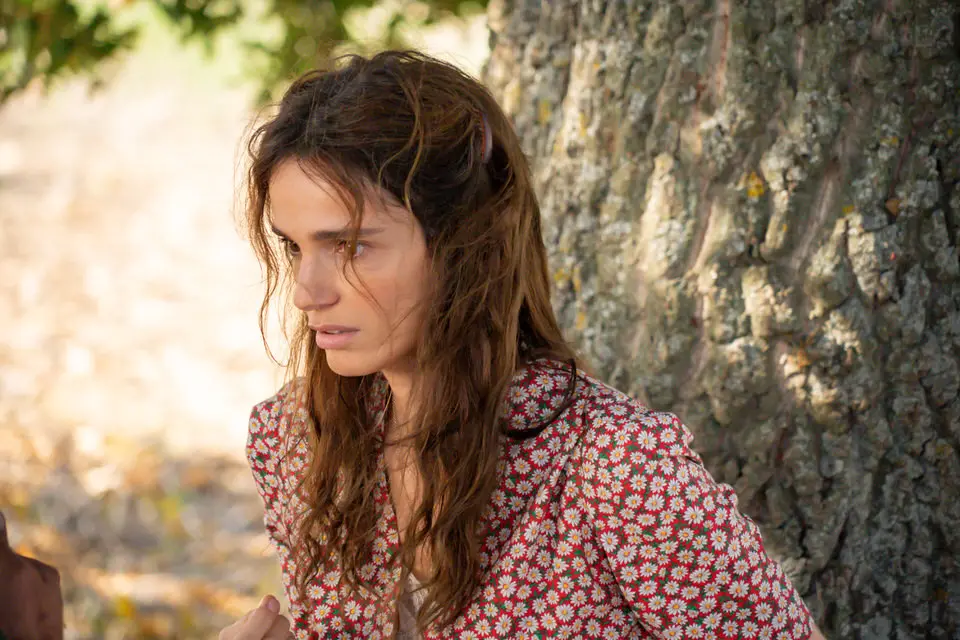
In 1958, Ciccio, a farmer in his forties married to Lucia and the father of a son of 7, is fighting with his fellow workers against those who exploit their work, while secretly in love with Bianca, the daughter of Cumpà Schettino, a feared and untrustworthy landowner.
Both games allow extreme violence, but the subject of that violence differs critically.
Released within a year of each other (2002 and 2003), Grand Theft Auto: Vice City (Rockstar North) and Aliens vs. Predator 2 (Monolith Productions) represent two diametrically opposed yet contemporaneous visions of interactive digital violence. While Vice City deploys a postmodern, cinematic sandbox to explore 1980s hyper-capitalism and criminal agency, AvP2 offers a tightly scripted, faction-based survival horror experience rooted in licensed science fiction. This paper argues that despite their surface differences—open world vs. linear FPS, satire vs. terror—both games function as radical expressions of early 2000s player freedom, differing primarily in their spatial logic (liberating vs. claustrophobic) and ethical frameworks (amoral indulgence vs. species-based survival).
Vice City vs. The Hunting Ground: A Comparative Analysis of Postmodern Violence and Sci-Fi Horror in Grand Theft Auto: Vice City and Aliens vs. Predator 2
[Your Name/Academic Affiliation] Course: Game Studies & Digital Culture Date: April 18, 2026
The years 2002–2003 marked a turning point in mainstream gaming. Grand Theft Auto: Vice City (hereafter Vice City ) shattered sales records by immersing players in a neon-drenched, lawless Miami parody. Simultaneously, Aliens vs. Predator 2 (hereafter AvP2 ), a less commercially dominant but critically acclaimed first-person shooter, offered a grim, asymmetrical multiplayer and single-player experience within the Alien and Predator universes. This paper compares these two titles not as direct competitors but as symptomatic texts of their moment, exploring how each constructs player agency, environmental storytelling, and the representation of “the monster” – whether human or extraterrestrial.
In Vice City , the player becomes monstrous by choice – a deliberate rejection of social norms. In AvP2 , the player is always already monstrous (as Alien or Predator) or victim (as Marine). The Marine campaign, in particular, inverts Vice City ’s power fantasy: the player is weak, outnumbered, and terrified.
Conversely, AvP2 is direct licensed adaptation, drawing from Aliens (1986) and Predator (1987). It takes its source material seriously, crafting a coherent timeline between films. There is no parody; the fear is genuine. This contrast highlights a bifurcation in early 2000s game design: the ironic, cinematic sandbox vs. the reverent, immersive simulation.