That year, many gazinos in places like Mersin, Adana, İzmir, and even Istanbul’s backstreets were packed. People weren’t just listening to music — they were living the drama of every song. The synths were bold, the electric baglama was sharp, and the outfits? Sequins for days.
If you were anywhere near the Turkish music scene in 2015, you know that had its own unique energy that year. It wasn’t just a genre or a night out — it was a full-on cultural moment.
2015 gave us some of the most iconic arabesque-fantasy blends, with artists like , Bergen (whose legacy echoed strongly), Gülşen crossing over, and Ebru Yaşar dominating the airwaves. But Gazin? It was still alive in the hearts of those who loved the classic taverna-meets-disco vibe — glittery outfits, emotional lyrics, and a dancefloor that went from crying to çiftetelli in seconds.
Стол справок регистратуры:
(8-017) 379-55-77
(многоканальный)
(8-044) 553-38-13
Вызов врача на дом:
(8-017) 364-57-37
(многоканальный)
(8-044) 553-38-14
Телефон «горячей» линии
поликлиники:
(8-017) 396-70-00
с 08.00-17.00
обед с 13.00-14.00
Платные услуги
+375 (17) 378-43-57
E-mail: uz@7gdp.by























ВНИМАНИЕ!
С 1 октября 2025 года проводится
ВАКЦИНАЦИЯ ПРОТИВ ВИРУСА ПАПИЛЛОМЫ ЧЕЛОВЕКА (ВПЧ)
Вакциной «ЦЕКОЛИН» (пр-ва КНР) ДЕВОЧЕК 11-ЛЕТНЕГО ВОЗРАСТА (2014 г.р.)
Для вакцинации на бесплатной основе в поликлинике необходимо:
- пройти осмотр у врача-педиатра участкового;
- обратиться непосредственно за вакцинацией в процедурный кабинет №216: понедельник-пятница с 9.00 до 19.00.
Для вакцинации на бесплатной основе в учреждении образования необходимо:
- дать согласие для проведения вакцинации;
- вакцинироваться в медицинском кабинете учреждения образования
Уважаемые родители!!!
В соответствии с приказом МЗ РБ от 17.01.2025 №46 "Об организации работы о проведении иммунизации населения в автоматизированной информационной системе "Отчет" просим предоставлять идентификационный номер паспорта или свидетельства о рождении ребенка для внесения прививки в программу АИС "Отчет".
ОПРОС по гриппу сезон 2025-2026
Узнай и помоги понять: ВРЕД или ПОЛЬЗА
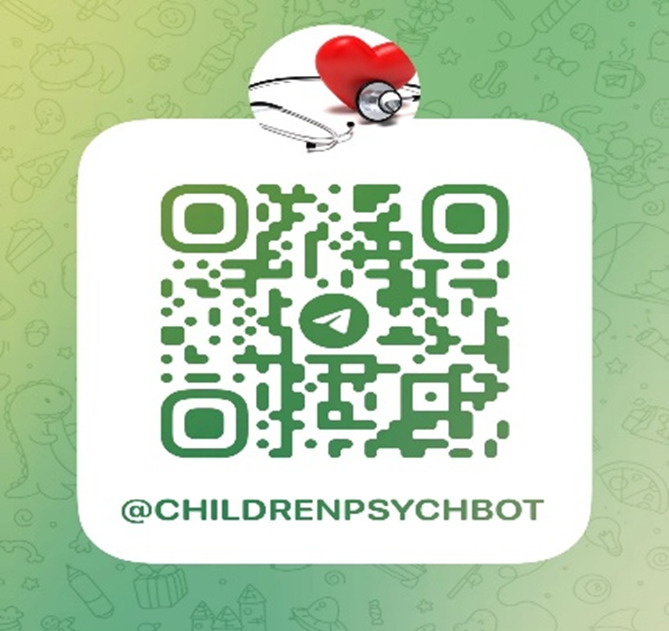
 16000 подростков по всей стране участвуют в исследовании особенностей цифрового поведения современных подростков для оценки факторов риска нарушений здоровья, связанных с использованием цифровых устройств (проводится Министерством здравоохранения)
Если тебе от 15 до 17 лет
ПРИСОЕДИНЯЙСЯ! АНОНИМНО пройди анкетирование. Наведи камеру на QR-код или перейди по ссылке
© 2025 Учреждение здравоохранения «7-я городская детская поликлиника г. Минска»
Дата последнего обновления информации на сайте 10.12.2025
That year, many gazinos in places like Mersin, Adana, İzmir, and even Istanbul’s backstreets were packed. People weren’t just listening to music — they were living the drama of every song. The synths were bold, the electric baglama was sharp, and the outfits? Sequins for days.
If you were anywhere near the Turkish music scene in 2015, you know that had its own unique energy that year. It wasn’t just a genre or a night out — it was a full-on cultural moment.
2015 gave us some of the most iconic arabesque-fantasy blends, with artists like , Bergen (whose legacy echoed strongly), Gülşen crossing over, and Ebru Yaşar dominating the airwaves. But Gazin? It was still alive in the hearts of those who loved the classic taverna-meets-disco vibe — glittery outfits, emotional lyrics, and a dancefloor that went from crying to çiftetelli in seconds.