Diablo Ii Lod 1.13c Direct
Model and Analyze Every Aspect of Your Manufacturing Processes

Arena Simulation is a product of Rockwell Automation
Arena Simulation is a product of Rockwell Automation
Arena is a discrete event simulation and automation software: it enables manufacturing organizations to increase throughput, identify process bottlenecks, improve logistics and evaluate potential process changes.
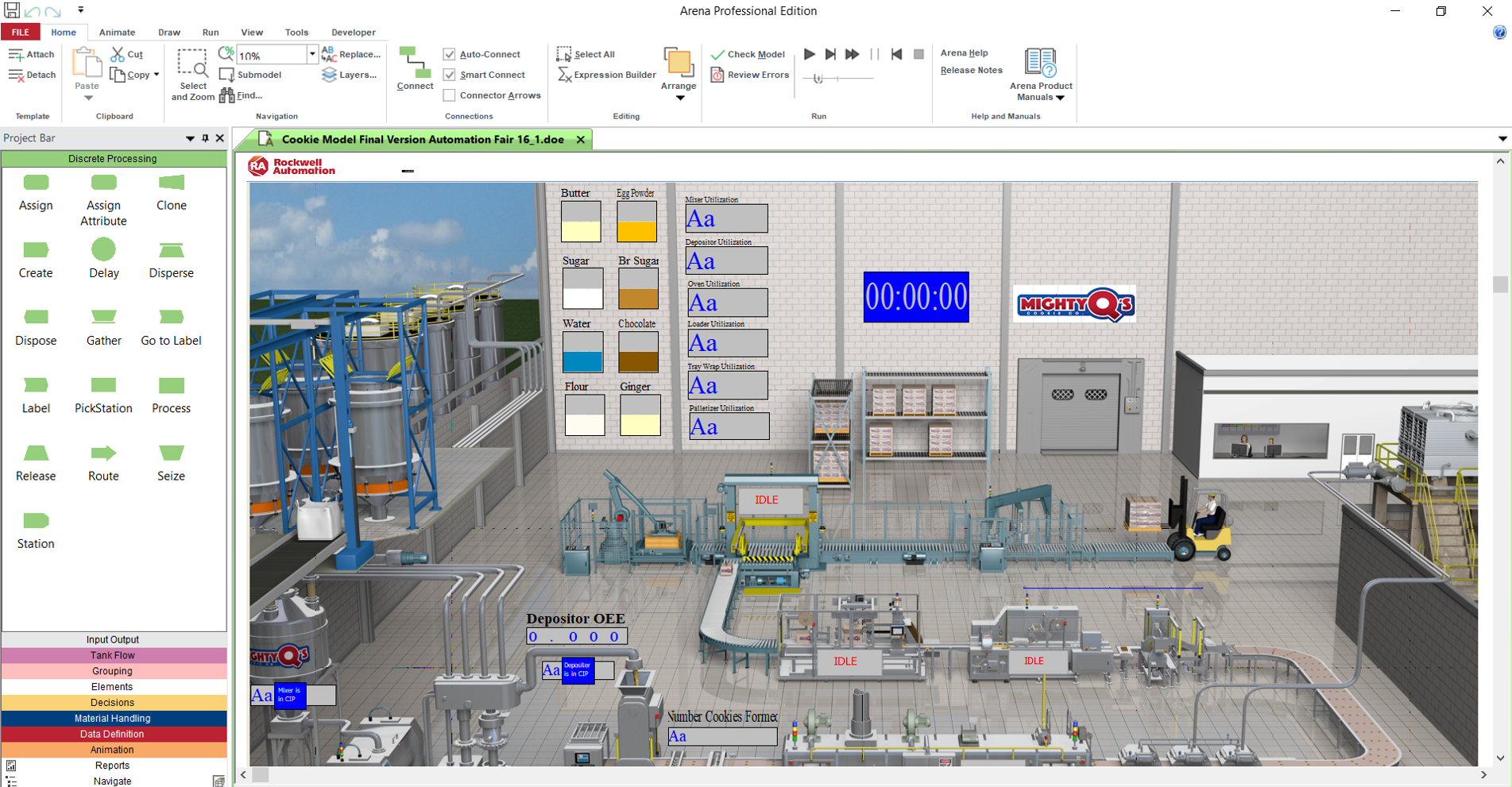
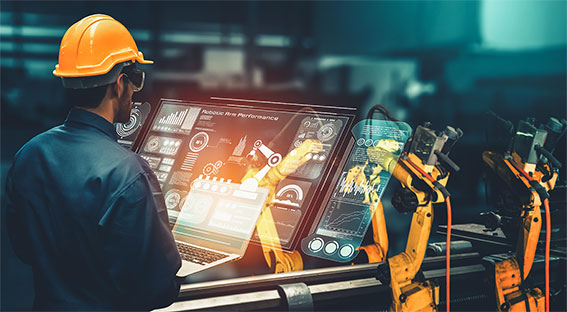
Evaluate potential alternatives to determine the best approach to optimizing performance.
Understand system performance based on key metrics such as costs, throughput, cycle times, equipment utilization and resource availability.
Reduce risk through rigorous simulation and testing of process changes before committing significant capital or resource expenditures.
Determine the impact of uncertainty and variability on system performance.
Visualize results with 2D and 3D animation

Send your technical questions to our experts!
Connect you with an EnginSoft expert who can provide a reliable answer to your technical question or recommend a
proven solution.
For nearly two decades, Diablo II: Lord of Destruction was not a static game. It evolved through a series of patches that rebalanced skills, fixed bugs, and adjusted loot. Among these, patch 1.13c (released March 23, 2010) holds a legendary status. It is widely considered the "final definitive" patch of the classic Battle.net era before the launch of Resurrected in 2021.
Furthermore, this patch saw the peak of "Baal runs" (Baal-XXX-01 games). Players would teleport past 95% of the game to kill Baal’s minions (Throne of Destruction) for maximum experience. 1.13c perfected the XP curve—leveling from 98 to 99 is still a nightmare, but it is mathematically possible without botting. Blizzard released patch 1.14 in 2016, but it caused controversy. While 1.14 fixed compatibility with Windows 10 and removed the CD-key check, it broke most mods (PlugY, Median XL, Path of Diablo) and made private servers harder to host. diablo ii lod 1.13c
In Hell difficulty, monsters with two immunities (e.g., Immune to Fire and Physical) were often unkillable for certain builds. Patch 1.13c introduced the ability for Runeword "Infinity" (Ber Mal Ber Ist) to break immunities more reliably. This single change made Lightning Sorceresses and Javazons the undisputed queens of farming. For nearly two decades, Diablo II: Lord of
It gave players the freedom to experiment (respecs), the tools to beat unfair odds (Infinity breaking immunities), and the stability to play without fear (lag fixes). If you hear someone say, "I’m going back to 1.13c," they aren't going backwards. They are going home to the definitive version of the greatest action RPG ever made. Do you want a guide on how to manually downgrade your current Diablo II installation to 1.13c, or a list of the top mods compatible with this version? It is widely considered the "final definitive" patch
If you hear a veteran player say, "I play 1.13c," they aren't just listing a number. They are specifying the golden standard for modded play, private servers, and late-game efficiency. Before 1.13, the game had three major headaches. This patch surgically removed them:
Before 1.13, if you put a skill point in the wrong place at level 12, your character was permanently ruined. You had to delete the character and start over. Patch 1.13c added the "Respec" (Respecialization) feature. You now gain one free respec per difficulty (Den of Evil quest), plus the ability to craft a "Token of Absolution" from Boss Essences. This allowed players to level as a cheap build (like a Hammerdin) and respec into an expensive endgame build later.

CASE STUDY
This detailed technical case study describes how the students arrived at a supersonic aircraft drone prototype using MATLAB and modeFRONTIER in order to reduce the time and costs of numerical and wind-tunnel testing.
automotive modefrontier optimization
CASE STUDY
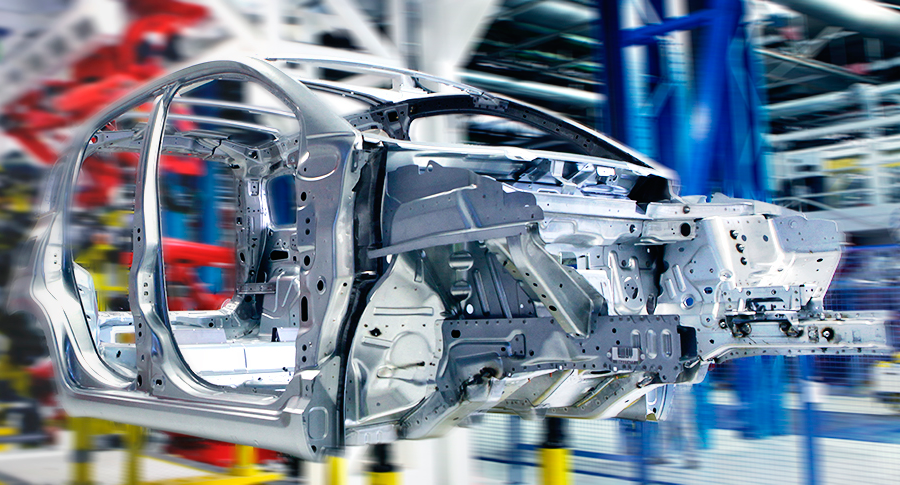
In this case study, EnginSoft engineers explain how they used modeFRONTIER to assist Comau, a Fiat Chrysler subsidiary, to optimize their approach to the preliminary design of production systems for automotive manufacturing system RFQs.
automotive optimization rail-transport modefrontier SIMUL8 iphysics industry4
CASE STUDY
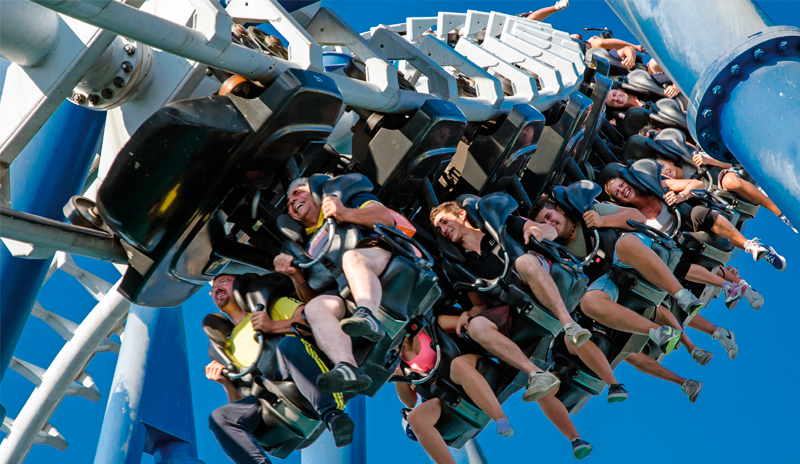
A fascinating article on the origin, history, and evolution of roller coasters from their earliest prototypes in Russia in the 16th century on the banks of the Neva River of St. Petersburg, and then dives into detail on how numerical simulation of roller coasters works to ensure their success both as entertainment and from a safety perspective for users and operators.
mechanics civil-engineering construction optimization