But 6.32 wasn’t brutal. It was smart . It didn’t just clean — it analyzed. It found 3 GB of Windows Update leftovers from 2019, removed 14 broken shortcuts that haunted the Start Menu, and gently uninstalled a stubborn toolbar that had been “missing” for two years but still left tentacles everywhere.
The old junk files grumbled. “He betrayed us.” But the registry smiled. “No. He just chose precision over chaos.”
And just like that, the file returned. Not from a backup drive — from CCleaner’s own archive exception list.
“You can’t just delete things,” sneered Disk Defrag. “They have history .”
In the cluttered depths of a neglected gaming PC named Old Betsy , files fought for space. Crumpled cookies, fragmented logs, and broken registry keys whispered resentfully in the dark. Their ruler: , a pompous old process who bragged about slowness like a badge of honor.
Then came — a sleek, silver executable with a “Health Check” button that glowed like a sheriff’s badge.
From that day on, whenever a new PC joined the house network, the first command was always the same: “Install 6.32. Not the free version. The Plus.”
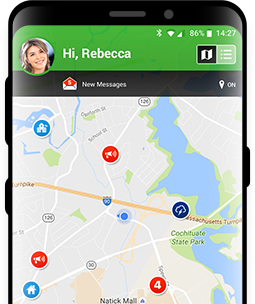
Download the Smart911 App today and have life-saving capabilities at your fingertips, 24/7.