

ASSISTENZA -23%

VENTOLE-E-DISSIPAZIONE-INTERNA -4%





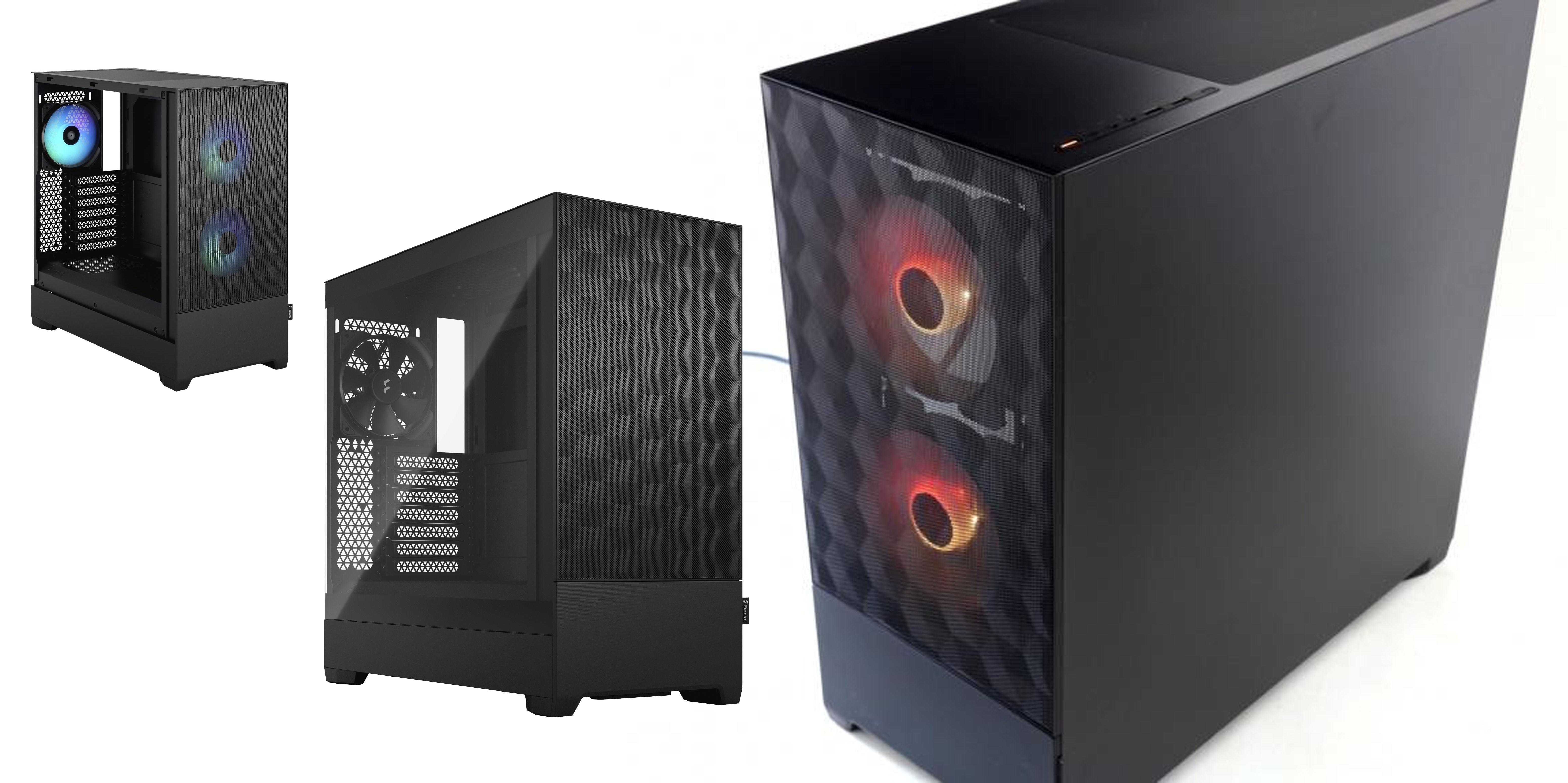

VENTOLE-E-DISSIPAZIONE-INTERNA -4%


 LICENZA Windows 11 PROFESSIONAL - Sticker + DvD
Nel tuo PC troverai installato e aggiornato:
Microsoft windows 11 pro - licenza ufficiale. Sticker adesivo COA.
Licenza a vita, riattivabile in caso di formattazione. Valida per 1 solo pc.
Questo prodotto contiene esclusivamente il codice di
attivazione stampato su
una Etichetta con Secure
Code da grattare per la rivelazione del codice. Il prodotto non contiene
Supporto Multimediale
Il prodotto è protetto da garanzia a vita, che consente
ove necessario, la sostituzione del prodotto nel caso in cui i
nostri tecnici non riescano ad
individuare il problema entro 6 ore dallapertura della
segnalazione.
Requisiti di Sistema:
Processore: 1 gigahertz
(GHz) o superiore
RAM: 4 GB
Spazio su disco rigido:16
GB per sistemi a 32 bit, 20 GB per sistemi a 64 bit
Scheda video: DirectX 12 o
versioni successive
Display:720p
The title itself provides the key to the film’s philosophy. "The Flower We Saw That Day" refers to a specific weed that Menma loved, a common, overlooked plant. This is a metaphor for the value of ordinary, shared moments. In their quest to grant Menma’s wish, the characters assume it must be something extraordinary. They learn, painfully, that Menma’s wish was simply for them to remain friends—to see the "flower" in each other again. The ghost appears not to ask for vengeance, but for the one thing grief steals: connection.
In the vast landscape of anime, few stories capture the raw, unpolished edges of grief as masterfully as Anohana: The Flower We Saw That Day . At its surface, the story is a supernatural drama: a group of childhood friends, torn apart by the tragic death of their friend Menma, are reunited years later by her ghost. However, to label Anohana merely a "ghost story" is to miss its profound psychological core. The film (or series) is a meticulous exploration of how unresolved guilt freezes people in time, and how the act of saying goodbye—truly and collectively—is the only cure for emotional stagnation.
The central genius of Anohana lies in its deconstruction of the "ghost" trope. Menma is not a poltergeist seeking revenge or a messenger with a grand cosmic secret. She is a memory made manifest, a living wound that forces the "Super Peace Busters" to confront the truth they have spent a decade avoiding. Each member of the group embodies a distinct reaction to trauma. Jintan, the former leader, has become a reclusive hikikomori, numbing his guilt with video games. Anaru, once sweet on Jintan, has twisted her affection into performative rebellion and jealousy. Yukiatsu, the perfectionist, cannot accept the loss, dressing in Menma’s clothes to keep her alive in a grotesque pantomime. Poppo, the cheerful traveler, is running away from the guilt of being the last to see Menma alive. Together, they form a broken family, each member a shattered mirror reflecting a different shard of the same tragedy.
What elevates Anohana from melodrama to tragedy is its brutal honesty about the ugliness of grief. The characters are not likable in the traditional sense; they are cruel, jealous, and self-destructive. The famous fireworks scene—where they try to send Menma’s spirit away—is a devastating metaphor for their superficial attempts at closure. They believe a grand, external gesture (the firework) will absolve them, but the plan fails. The film argues that you cannot outsource healing. True resolution only comes through the agonizing internal work of confession, accusation, and forgiveness among the group. The climax is not the firework but the hidden hideout scene, where they finally scream their repressed feelings—"I hated you!" "It was your fault!"—at each other. Only when the ugly truth is spoken does Menma begin to fade.
